


Low MOQ 3D Printing: Benefits for Startups and Small Businesses
Low MOQ 3D printing is a manufacturing service that allows businesses to order custom parts with no minimum order requirements, often starting at a single unit. For startups and small businesses, this model eliminates high upfront tooling costs, accelerates product development cycles, and enables market testing with functional prototypes. By leveraging professional-grade additive manufacturing, hardware founders can move from digital CAD designs to physical parts in days rather than weeks.
Why Low Volume 3D Printing is the Secret Weapon for Startups
In the traditional manufacturing landscape, the "barrier to entry" has always been the cost of the mold. For a startup, committing $5,000 to $20,000 for an injection mold before a single sale is made represents a massive financial risk. Low MOQ 3D printing shifts the paradigm from capital-intensive production to agile, iterative development.
Small businesses use these services to maintain "lean" operations. Instead of holding thousands of units in a warehouse—capital that is essentially "frozen"—you can produce 10, 50, or 100 parts on demand. This "just-in-time" manufacturing approach is essential for hardware brands that need to preserve cash flow while perfecting their product-market fit.
Furthermore, custom 3D-printed prototypes allow for real-world testing that simulation software cannot replicate. When you hold a physical part, you can test ergonomics, assembly tolerances, and material stress in the actual environment where the product will live. If a design flaw appears, you simply update the CAD file and print a new version for a few dollars, rather than discarding an expensive steel tool.
Comparing Low MOQ 3D Printing Technologies for Industrial Parts
Not all 3D printing is created equal. While a desktop printer might suffice for a rough concept, industrial-grade high-precision 3D printing is required for parts that need to perform under pressure, heat, or mechanical load. Understanding the specific technologies available helps procurement managers choose the right balance of cost and performance.
SLA for High-Precision Visual Prototypes
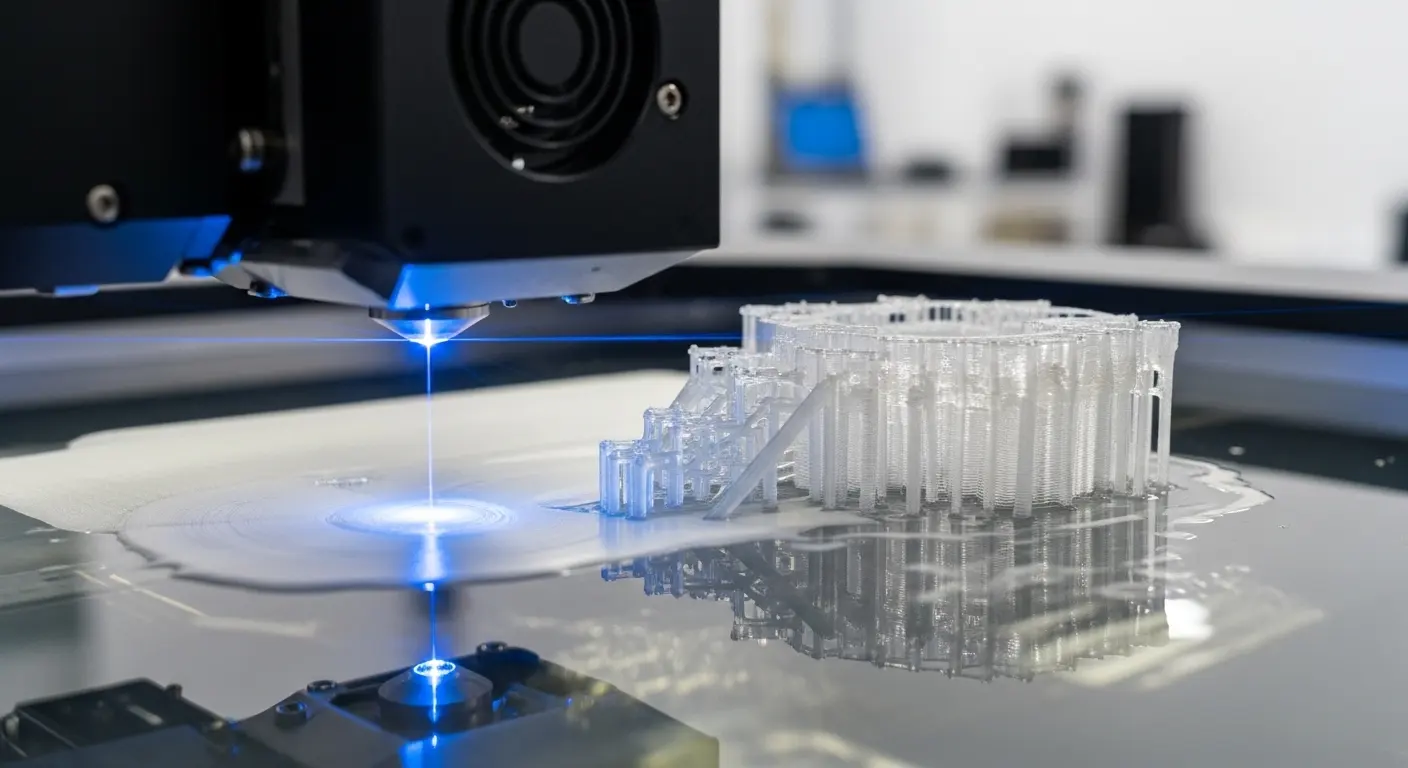
Stereolithography (SLA) uses a UV laser to cure liquid resin into hardened plastic. This technology is the gold standard for parts requiring extreme detail and smooth surface finishes. For medical device startups, medical model 3D printing often relies on SLA to create anatomically accurate or clear components that require minimal post-processing.
SLS for Functional, End-Use Nylon Parts
Selective Laser Sintering (SLS) uses a high-power laser to fuse small particles of polymer powder. Because the powder bed supports the part during printing, SLS does not require support structures. This allows for complex internal geometries that are impossible to manufacture via CNC machining or injection molding. SLS parts, typically made from Nylon (PA11 or PA12), are durable enough for end-use functional testing and low-volume production runs.
FDM for Rapid Iteration and Large Scale Geometries
Fused Deposition Modeling (FDM) is the most common form of 3D printing, but industrial FDM differs significantly from consumer versions. Industrial systems use high-performance thermoplastics like ULTEM or PEEK. For small businesses, FDM provides a cost-effective way to produce large jigs, fixtures, or internal structural components where surface finish is less critical than mechanical strength.
How to Get the Best Price on Custom 3D Printing with No Minimum Order
While "no minimum order" sounds affordable, the unit cost of a single 3D-printed part is significantly higher than a mass-produced one. To optimize your budget, you must understand how service bureaus calculate pricing. Typically, costs are driven by material volume, machine run-time, and post-processing labor.
One effective strategy is "batching." Even if a supplier offers a low volume 3D printing service with an MOQ of one, ordering 10 or 20 units at once often triggers a volume discount. This happens because the setup time—pre-processing the files and preparing the machine—is spread across more parts.
Design for Manufacturability (DFM) also plays a role in cost. Reducing the volume of material used and optimizing the orientation of the part can shave hours off the print time. At SunOn, we provide DFM-led quoting to help startups identify these cost-saving opportunities before the first layer is ever printed. By refining the design early, you ensure that your "low MOQ" remains truly low-cost.
Transitioning from 3D Printing to Plastic Injection Molding
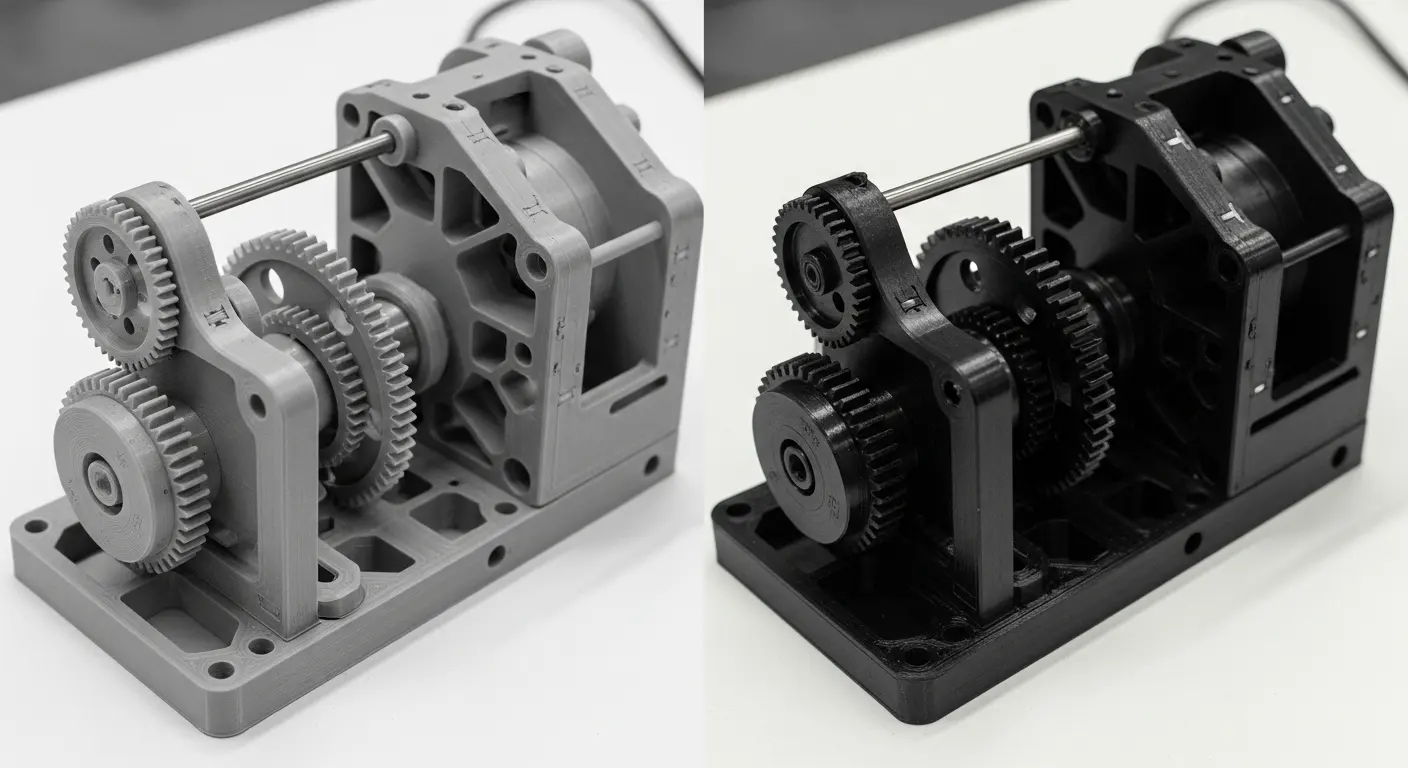
The ultimate goal for most hardware startups is to scale. However, there is a common "valley of death" between a 3D-printed prototype and a 10,000-unit production run. Navigating this transition requires a strategic approach to tooling and material selection.
Many engineers fail to realize that 3D printing and injection molding have different design rules. A part that prints perfectly might be impossible to eject from a mold. This is why working with a full-service partner like SunOn is advantageous. We analyze your 3D-printed designs with an eye toward future mass production.
Bridging the Gap with Vacuum Casting
When you need more than 20 units but aren't ready for a $10,000 mold, vacuum casting is an excellent intermediate step. We use a 3D-printed "master" to create a silicone mold, which can then produce 10–50 high-quality polyurethane parts. This provides a production-like finish and material properties at a fraction of the cost of hard tooling.
Moving to Bridge Tooling
Once your design is validated and you need 500 to 2,000 units, we recommend "bridge tooling" or aluminum molds. These tools are cheaper and faster to produce than hardened steel molds, allowing you to enter the market quickly. This phased approach ensures that your prototype-to-production 3D printing journey is financially sustainable and technically sound.
Critical Decision Factors for B2B Sourcing Managers
Sourcing low MOQ parts from overseas suppliers requires more than just looking at the price tag. For procurement leads and QA managers, the reliability of the supplier is the most important metric. If a 3D-printed part arrives out of tolerance or with the wrong material properties, it can delay an entire product launch.
When evaluating on-demand 3D printing for startups, ask about the supplier’s quality assurance process. Do they provide dimensional inspection reports? Can they verify the material datasheet (TDS)? At SunOn, we treat a one-unit prototype with the same technical rigor as a 100,000-unit molding project. This includes checking critical dimensions and ensuring that the selected resin or powder meets your specific environmental requirements, such as UV resistance or flame retardancy.
Lead time reliability is another factor. In the B2B world, a "3-day lead time" must mean 3 days. Delays in the prototyping phase have a domino effect on assembly testing and investor demos. Transparent communication regarding machine availability and shipping schedules is the hallmark of a professional manufacturing partner.
The Role of DFM in Small Business 3D Printing
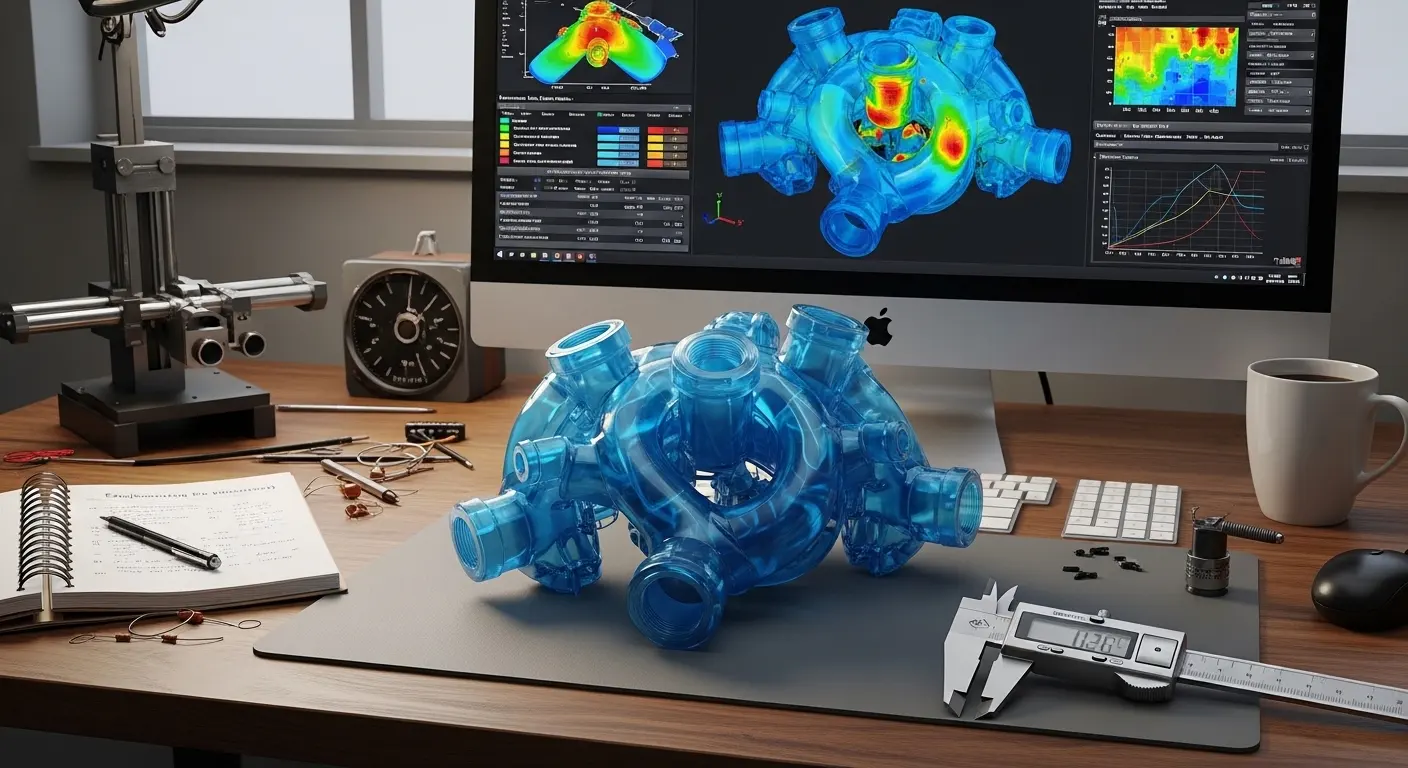
Design for Manufacturability (DFM) is often associated with high-volume production, but it is equally vital for low-volume 3D printing. Professional designers use DFM to ensure that the part can be built successfully without failure. For example, thin walls might warp under the heat of a laser, or unsupported overhangs might result in a poor surface finish.
By integrating DFM early, startups avoid the "trial and error" costs of failed prints. A reputable supplier should offer a DFM review as part of the quoting process. This review identifies potential "trap" areas in the CAD file, such as trapped powder in SLS parts or resin drainage issues in SLA models. Addressing these technical details ensures that your first print is also your final print, saving both time and capital.
Scaling Your Hardware Brand with SunOn Industrial Group
SunOn Industrial Group is not just a 3D printing shop; we are a comprehensive manufacturing partner based in Dongguan, China. We specialize in helping global B2B buyers navigate the complex journey from a single 3D-printed prototype to full-scale OEM/ODM production. Our facility combines advanced additive manufacturing with traditional CNC machining and high-capacity injection molding.
We understand the unique pressures faced by startups and small businesses. Our "RFQ-first" model is designed to provide you with technical clarity and transparent pricing within 24 hours. Whether you need a single high-precision component for a medical device or a small batch of 100 enclosures for a new electronic product, our team provides the engineering support necessary to ensure success.
Frequently Asked Questions about Low MOQ 3D Printing
Is there a minimum order for 3D printing?
No, most professional 3D printing services, including SunOn, offer a minimum order quantity (MOQ) of one unit. This allows for cost-effective prototyping and low-volume production of custom parts without the burden of excess inventory.
Which 3D printing material is best for low-volume production?
SLS Nylon (PA12) is generally considered the best material for low-volume production due to its high strength, durability, and ability to be printed without support structures. For parts requiring high aesthetic detail, SLA resins are preferred, while FDM is ideal for large, structural components.
How much does it cost to 3D print 100 parts?
The cost for 100 parts depends on the volume of the material, the complexity of the geometry, and the chosen technology. Batching 100 parts usually results in a significantly lower unit price compared to printing a single unit, as setup and pre-processing costs are distributed across the entire run.
Can 3D printing replace injection molding for small businesses?
3D printing can replace injection molding for very small batches (typically under 500 units), but as volumes increase, injection molding becomes more cost-effective due to its lower per-unit cost. 3D printing is best used for design validation and bridge production before investing in hard tooling.
What is the typical lead time for an MOQ 3D printing order?
For most low-volume 3D printing projects, the lead time is between 3 to 5 business days for production, plus shipping. Complex parts requiring extensive post-processing, such as painting or vapor smoothing, may take slightly longer.
How do I ensure the tolerances of my 3D-printed parts?
To ensure tight tolerances, you should provide a technical drawing along with your CAD file and specify critical dimensions. Professional suppliers use high-precision machines that can typically achieve tolerances of ±0.1mm to ±0.2mm, depending on the technology and material used.
Conclusion: Start Your Prototype-to-Production Journey
Low MOQ 3D printing is the most efficient way for startups to validate their designs and enter the market with minimal financial risk. By removing the barriers of high tooling costs and large minimum orders, you can focus on what matters most: perfecting your product and growing your business.
At SunOn Industrial Group, we provide the technical expertise and manufacturing capacity to take you from your first 3D-printed prototype to thousands of injection-molded units. Our DFM-led approach ensures that every part is optimized for performance and scalability.
Are you ready to bring your design to life? Contact our engineering team today for a comprehensive DFM review and a fast quote on your low-volume 3D printing project.
