


PLA vs ABS vs Resin: Which 3D Printing Material is Best?
The best 3D printing material depends on whether your project requires visual fidelity, mechanical strength, or rapid iteration speed. PLA is the standard for low-cost, dimensionally accurate concept models. ABS provides the high impact and heat resistance necessary for functional testing in automotive or industrial environments. Resin (SLA) offers the highest precision (up to ±0.1mm) and a smooth surface finish, making it the preferred choice for medical devices and high-end consumer electronics. Selecting the right material at the prototyping stage ensures that your design validation translates successfully into mass-production injection molding.
Comparative Data: Mechanical and Thermal Properties
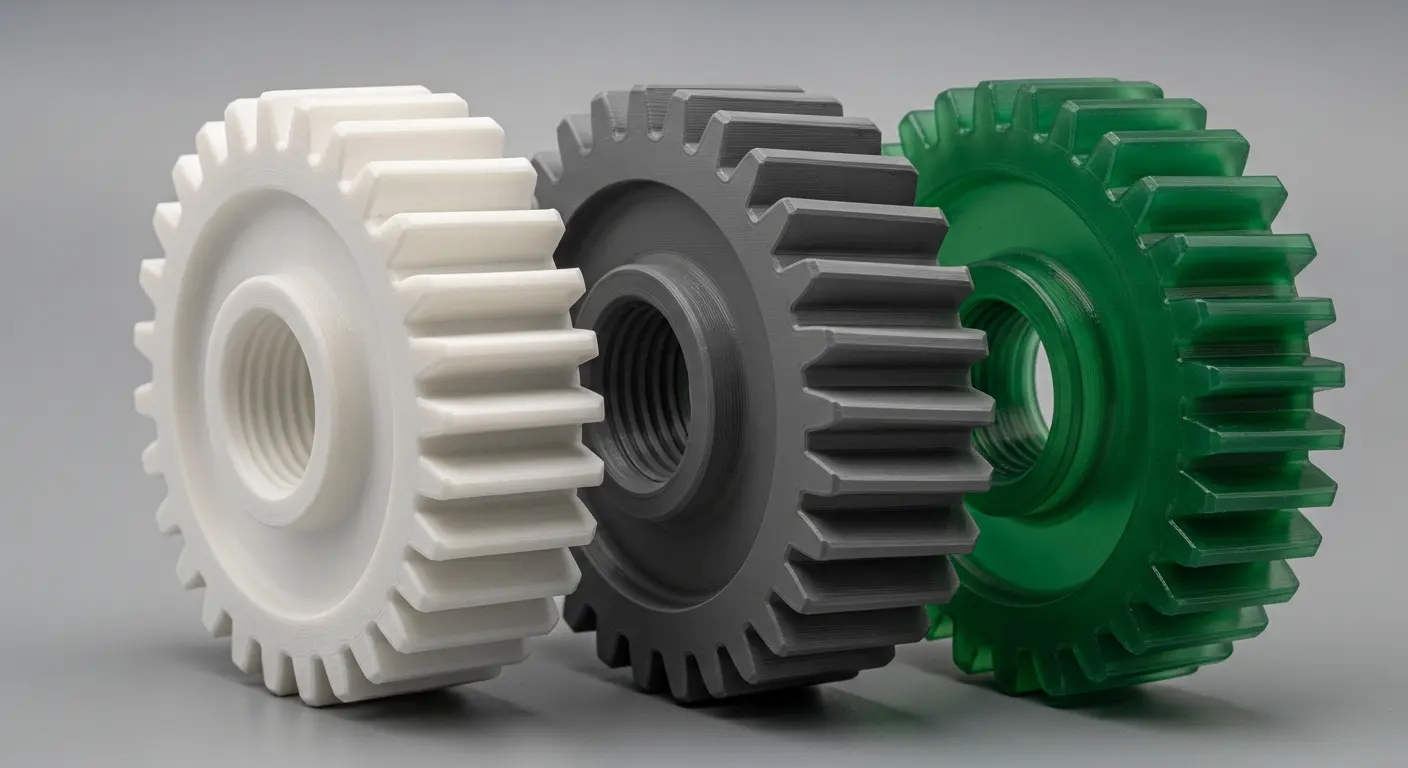
For procurement managers and engineers, selecting industrial 3D printing materials requires a quantitative approach. Comparing materials based on their physical limits allows you to match the prototype’s performance to its intended end-use environment. While hobbyists focus on ease of printing, B2B sourcing focuses on Heat Deflection Temperature (HDT), Tensile Strength, and dimensional stability.
| Property | PLA (Filament) | ABS (Filament) | Resin (SLA - Standard) |
| Tensile Strength | 45–60 MPa | 30–45 MPa | 40–60 MPa |
| Impact Strength | Low | High | Low to Medium |
| Heat Resistance (HDT) | 50–55°C | 90–100°C | 50–70°C |
| Surface Finish | Visible layers | Matte/Sanded | Smooth/Injection-mold-like |
| Dimensional Accuracy | ±0.1mm | ±0.2mm (due to shrinkage) | ±0.1mm |
| Best Use Case | Conceptual Mockups | Functional Parts | Precision Prototypes |
Choosing the best 3D printing material for B2B involves more than just looking at a datasheet. It requires understanding how these materials behave during the printing process. For example, while Resin and PLA have similar tensile strengths, their failure modes differ; Resin is often more brittle, whereas ABS can deform before breaking, providing a critical safety margin in mechanical assemblies.
PLA: The Standard for Rapid Concept Prototyping
Polylactic Acid (PLA) is a bioplastic derived from renewable resources like corn starch. In an industrial context, PLA is the "go-to" for rapid concept prototyping. Its primary advantage is dimensional stability. Because PLA has a very low thermal expansion coefficient, it does not warp or shrink significantly as it cools. This makes it ideal for large-scale architectural models or fit-check components where the outer dimensions must be exact.
When comparing ABS vs PLA for prototyping, PLA is significantly easier to manufacture at scale for non-functional models. It requires less energy and has a faster turnaround time because it does not require a heated build chamber to prevent warping. For hardware founders who need to present a physical "form study" to investors quickly, PLA offers the most cost-effective path from CAD to a physical part.
However, PLA has distinct limitations in professional environments. Its low heat resistance means that parts can deform if left in a hot vehicle or near industrial machinery. If your prototype needs to undergo thermal testing or high-stress mechanical loading, PLA is likely to fail. We recommend PLA specifically for the "Discovery" and "Alpha" phases of product development where the goal is to validate the size and aesthetic feel rather than the mechanical performance.
ABS: Durable Performance for Functional Testing
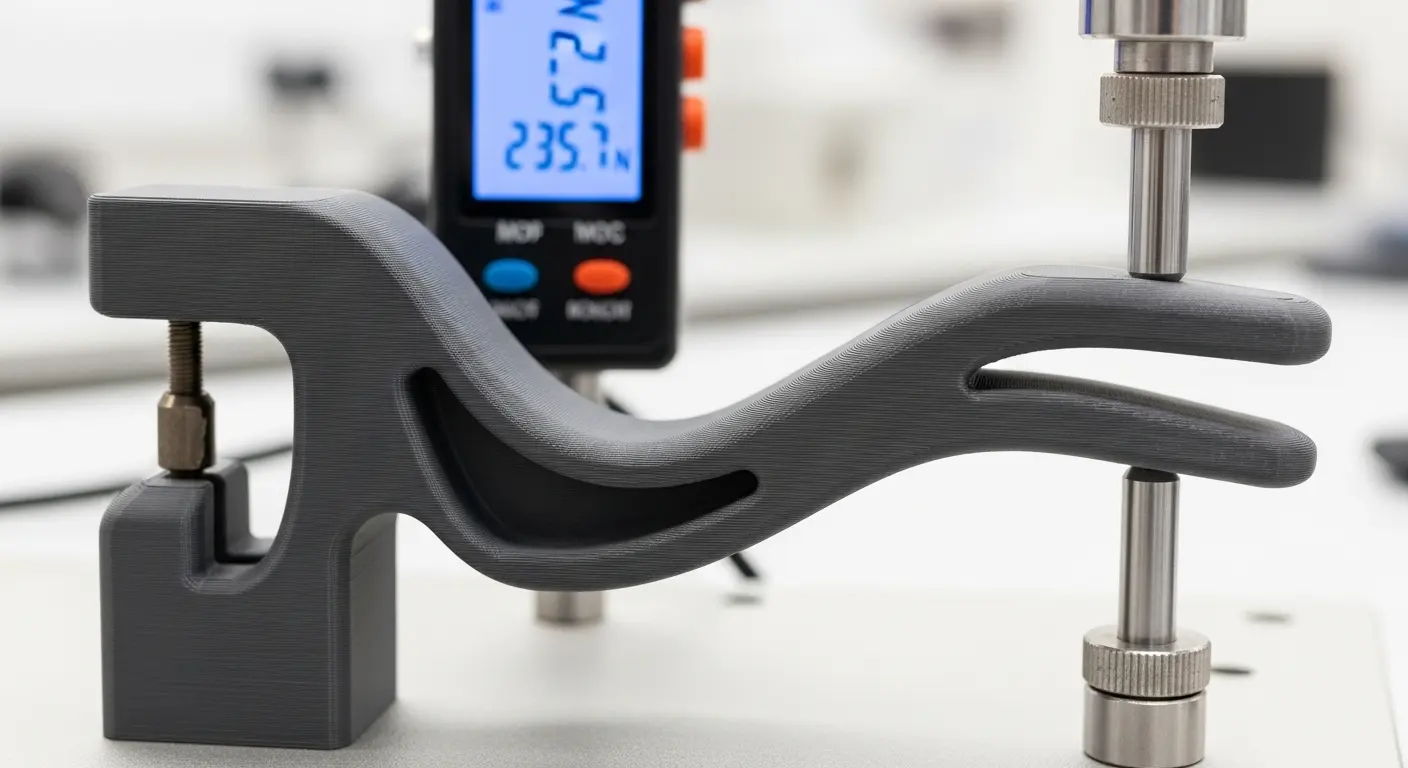
Acrylonitrile Butadiene Styrene (ABS) is a thermoplastic polymer used extensively in traditional injection molding. Using ABS for 3D printing allows engineers to test parts in a material that closely mimics the final production product. ABS is prized for its toughness and impact resistance. Unlike PLA, which might shatter under stress, ABS has the ductility to absorb energy, making it suitable for snap-fit joints, enclosures, and 3D-printed prototype for automotive components.
The thermal properties of ABS also set it apart. With a heat deflection temperature reaching up to 100°C, ABS parts can survive in environments that would melt PLA. This is essential for electronics enclosures that may house heat-generating components. Sourcing managers should note that printing ABS is technically more demanding. It requires a controlled thermal environment to prevent the material from pulling away from the build plate—a factor we handle at SunOn through our industrial-grade FDM systems.
One of the unique benefits of ABS is its post-processing versatility. ABS is soluble in acetone, which allows for "vapor smoothing." This chemical process melts the outer layer of the print, removing layer lines and creating a glossy, injection-mold-like finish. This makes ABS a strong contender for functional prototypes that also need to serve as visual samples for marketing reviews or stakeholder demos.
Resin (SLA): High-Precision for Visual and Medical Models
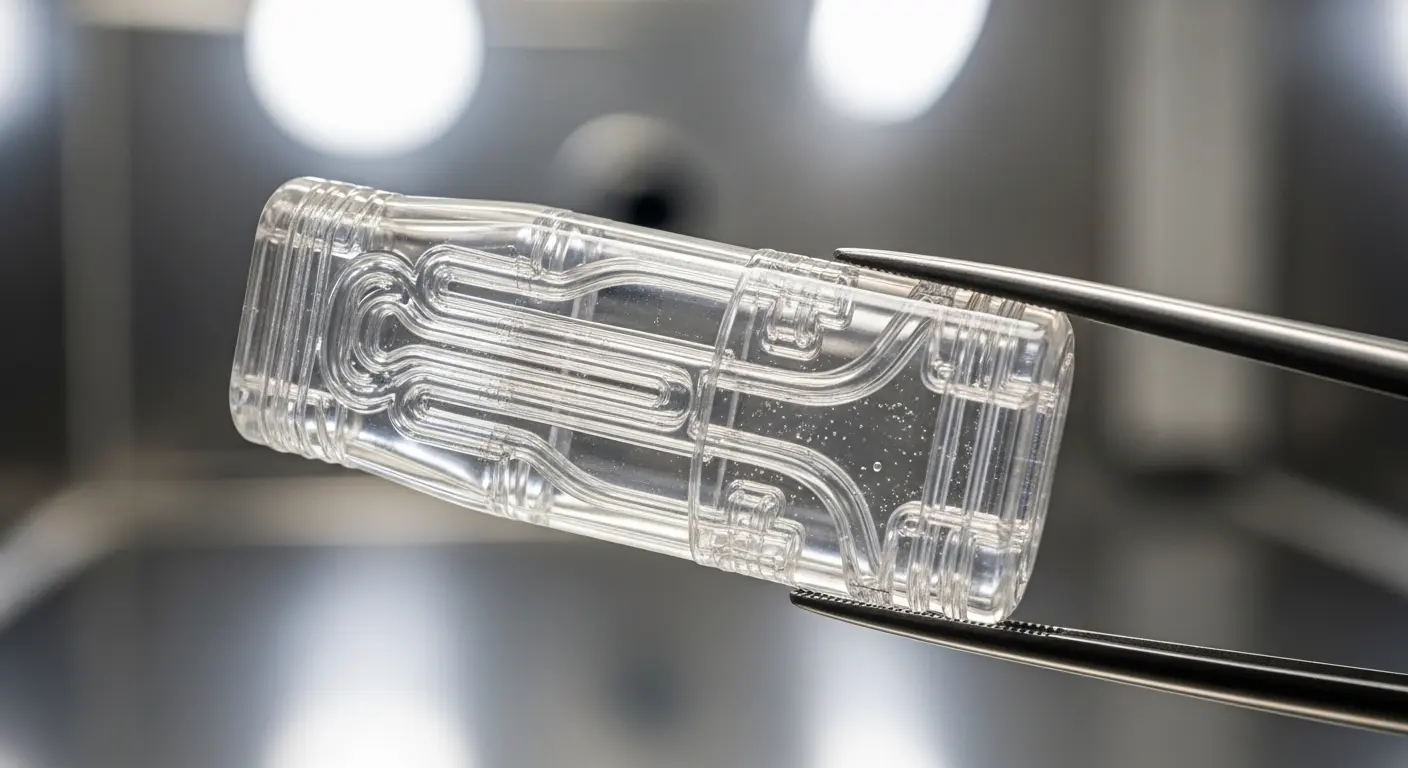
Stereolithography (SLA) resin represents a shift from filament-based printing to liquid-based vat polymerization. This technology is the gold standard for high-precision 3D printing. Because resin is cured by a laser with a very fine spot size, it can achieve intricate details that are physically impossible for filament printers. This precision is vital for 3D-printed prototypes for consumer electronics where internal ribs and bosses must be perfectly aligned for assembly.
When analyzing Resin vs Filament 3D printing, the most striking difference is the surface finish. Resin parts are nearly isotropic and possess a smooth texture that requires minimal sanding. This is why Resin is the primary choice for medical device prototype 3D printing. In the medical field, the ability to create clear, sterilizable, or biocompatible parts is a requirement that filament-based PLA and ABS cannot always meet.
When to Choose Resin over Filament (FDM)
Deciding between Resin and Filament often comes down to the complexity of the part and the required tolerances. If your design features internal galleries, micro-fluidic channels, or extremely thin walls, Resin is the only viable choice. The liquid resin supports the geometry during the build, allowing for features as small as 0.05mm.
Superior surface finish for consumer electronics
For consumer-facing products, the "hand-feel" of the prototype is essential. Resin allows for the simulation of high-end finishes, including clear, rubber-like, or high-stiffness properties. This allows designers to test the ergonomics of a device with a part that feels like a finished product, not a 3D print.
Biocompatible resins for medical device prototypes
SunOn offers specialized resins that are formulated for medical applications. These materials can be used for surgical guides or dental models that require contact with skin or tissue. The chemical purity of high-grade resins ensures that no toxic outgassing occurs, which is a common risk with non-certified filaments.
Sourcing Considerations: Lead Time and Post-Processing Costs
In B2B manufacturing, the "cost" of a part isn't just the material price; it is the total cost of ownership, including lead time and labor. PLA parts are usually the fastest and cheapest to produce because they require the least post-processing. Once the print is finished, it is essentially ready to ship. This speed is a major factor for teams working on weekly iteration cycles.
Resin and ABS require more intensive labor. Resin parts must be washed in isopropyl alcohol to remove uncured liquid and then placed in a UV oven for final hardening. ABS often requires support removal and sanding to reach an acceptable professional finish. Sourcing managers should weigh these labor costs against the technical requirements of the part. If a "raw" PLA part can answer your engineering questions, it is the most efficient choice.
At SunOn, our DFM-led quoting process accounts for these variables. We don't just provide a price; we provide a timeline that includes these critical post-processing steps. This transparency ensures that procurement leads can accurately plan their R&D schedules without unexpected delays. We help you choose the material that balances technical necessity with budget and speed constraints.
Navigating the Transition: From 3D Printing to Injection Molding
The most important aspect of choosing a 3D printing material is the molding vs 3D printing roadmap. A prototype is a stepping stone to mass production. If you choose a material that is too far removed from your final production plastic, your testing data may be invalid. For example, if you plan to mold your final part in ABS, testing a PLA prototype for impact resistance will lead to misleading results.
SunOn specializes in this transition. We help you select a 3D printing material that "bridges" the gap. By using industrial ABS filament or "Tough" resins that mimic the flexural modulus of production plastics, we ensure that your prototype testing is a reliable predictor of mass-production performance. This foresight prevents the "Valley of Death" in product development where a design works as a prototype but fails as a molded part.
FAQ: Frequently Asked Questions about 3D Printing Materials
Is resin stronger than ABS?
No, standard resin is typically more brittle than ABS, though "Tough" or "Durable" resins are engineered to match or exceed the mechanical properties of ABS. For high-impact applications or functional clips that must flex without snapping, ABS remains the superior choice due to its better elongation at break and impact resistance.
Which is better for outdoor use, ABS or PLA?
ABS is better for outdoor use because it has higher heat resistance and better UV stability than PLA. PLA will soften and warp if exposed to direct sunlight in a warm climate, and it is also prone to biodegrade over long periods of exposure to moisture and soil.
Why is 3D printing resin more expensive than filament?
Resin is more expensive because of the complex chemical formulations required for UV curing and the specialized post-processing equipment (wash and cure stations) needed for safe handling. Additionally, resin manufacturing involves higher raw material costs and more rigorous quality control to ensure shelf-life and consistency.
Can I use PLA for industrial prototypes?
PLA is suitable for industrial prototypes only during the initial "fit and form" validation phase where mechanical stress and heat are not factors. For functional testing, electrical enclosures, or components subjected to vibration, we recommend transitioning to ABS or high-performance resins as soon as possible.
Does the choice of material affect 3D printing lead times?
Yes, material choice directly impacts lead times. PLA has the shortest turnaround because it is easy to print and requires minimal post-processing. Resin and ABS usually take 24–48 hours longer due to the mandatory cleaning, curing, or thermal stabilization steps required to ensure dimensional accuracy.
Can 3D printed ABS be used as an end-use part?
Industrial-grade 3D printed ABS can be used as an end-use part for low-volume applications, jigs, and fixtures. However, because FDM printing is anisotropic (weaker in the Z-axis), it may not be suitable for critical structural components that would traditionally be injection molded with a solid, isotropic structure.
Conclusion: Partnering with SunOn for Material Excellence
Choosing between PLA, ABS, and Resin is a strategic decision that affects every subsequent stage of your product's lifecycle. By matching the material properties to your specific funnel stage—whether it is a concept model in PLA, a functional tester in ABS, or a high-precision master in Resin—you optimize your R&D budget and accelerate your time-to-market.
SunOn Industrial Group is more than a service bureau; we are a technical partner located in the heart of China’s manufacturing hub. Our team of DFM engineers is ready to analyze your CAD files and recommend the material that offers the best balance of performance, cost, and scale-up readiness. We bridge the gap from your first prototype to your millionth production part.
Not sure which material is right for your project? Contact the SunOn engineering team today for a detailed DFM review and a customized quote that moves your design from concept to reality.
