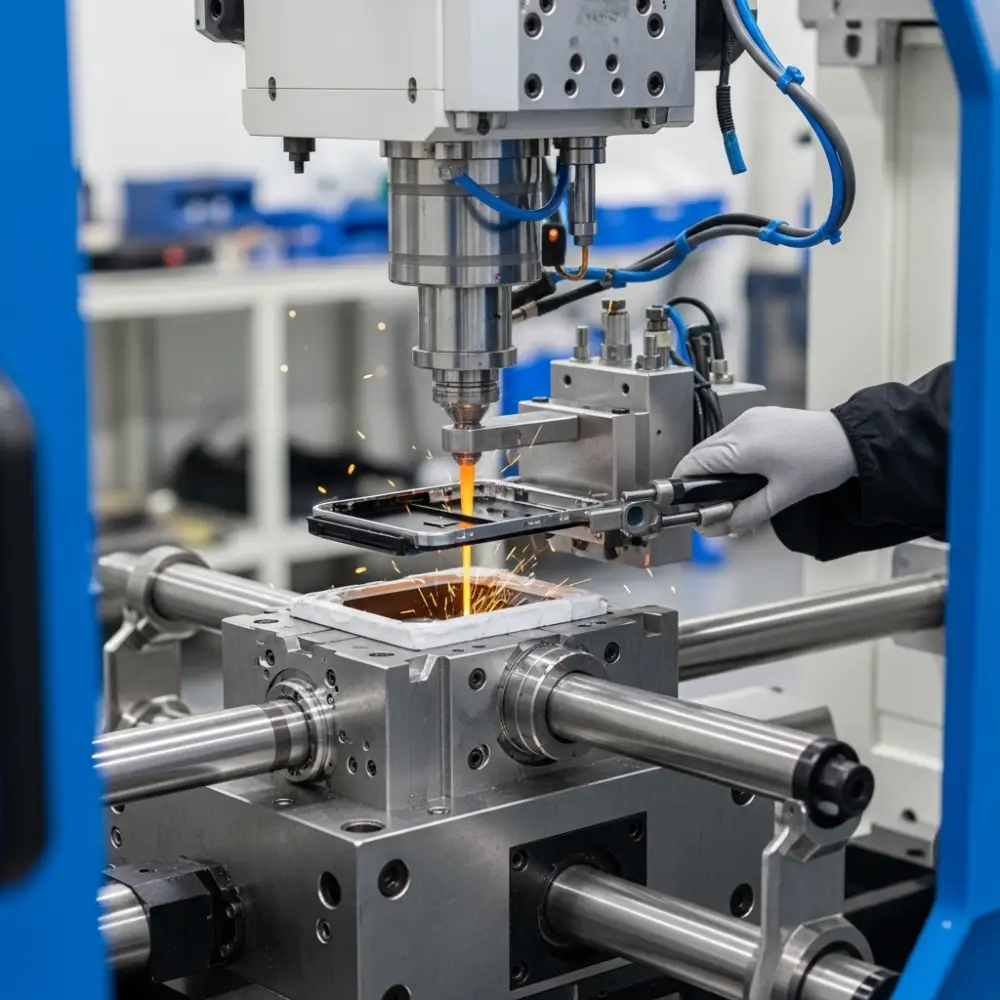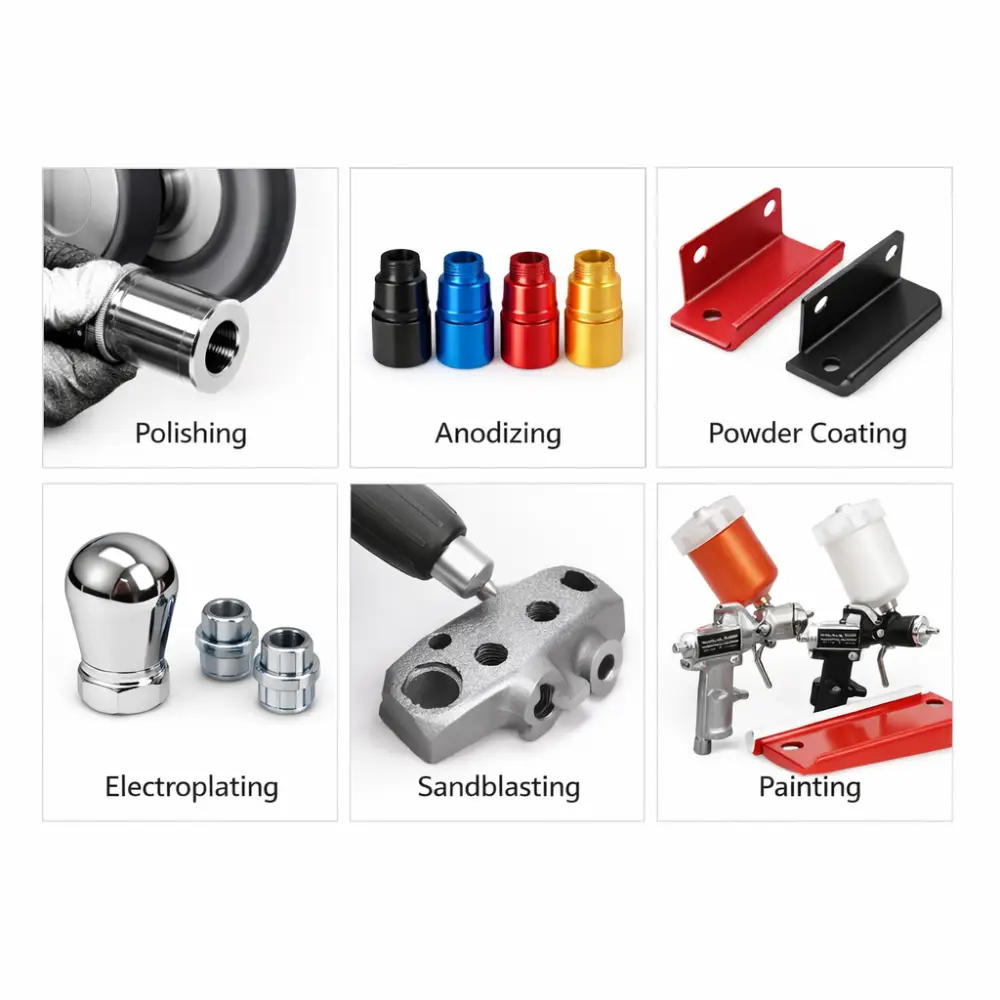


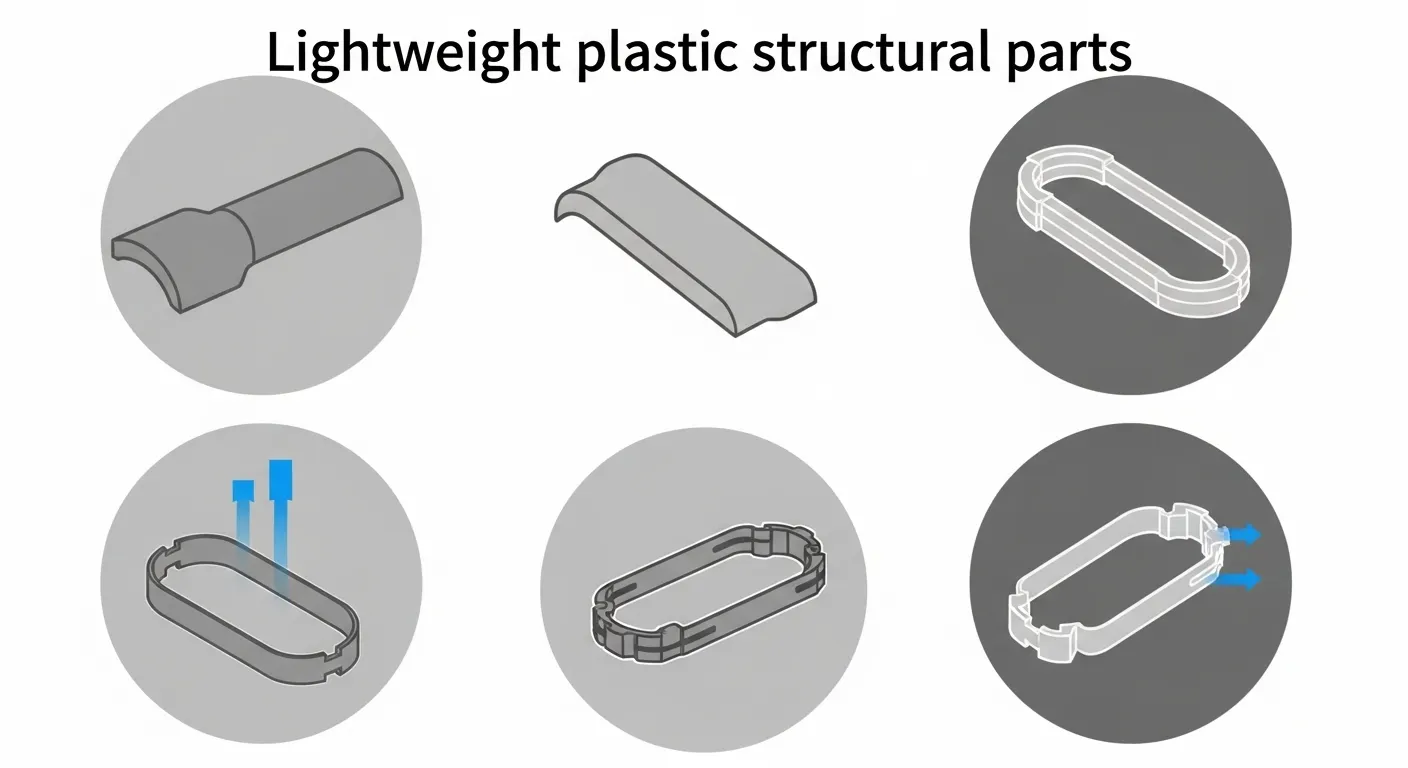
These polymer components serve as integral frameworks for mechanical assemblies. They provide reliable support, minimize overall mass, and facilitate efficient integration across industrial, transport, and automated systems.
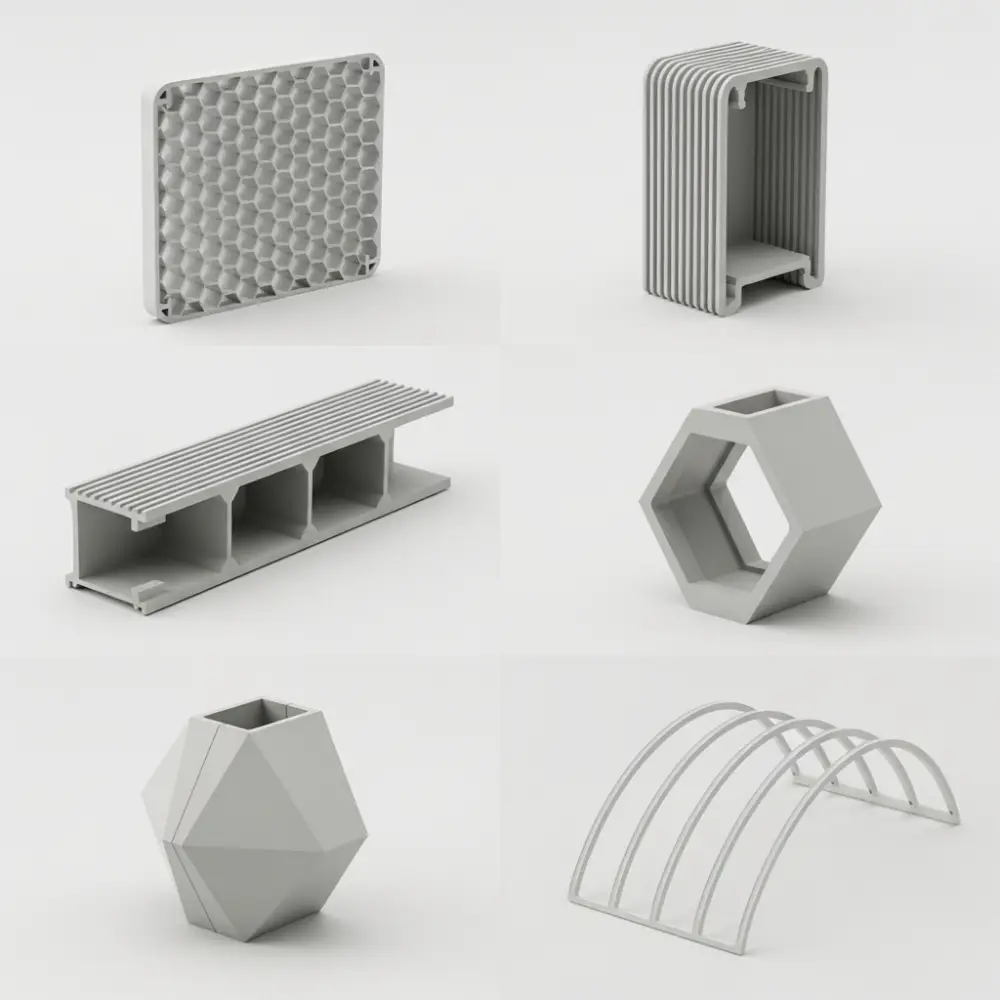


Lightweight Plastic Structural Parts
- Streamlined Fabrication – Simplifies assembly processes for complex structures.
- Energy Efficiency – Reduces operational power demands by lowering structural mass.
- Optimized Spatial Design – Fits into compact layouts without compromising stability.
- Shock Absorption – Mitigates vibrations from machinery or movement.
- Inspection Accessibility – Facilitates rapid visual checks and modifications.
Introduction to Lightweight Plastic Structural Parts
Lightweight plastic structural parts are engineered polymer components designed to provide strength and support while minimizing weight. They combine resilience, dimensional stability, and ease of integration for various mechanical and industrial assemblies.
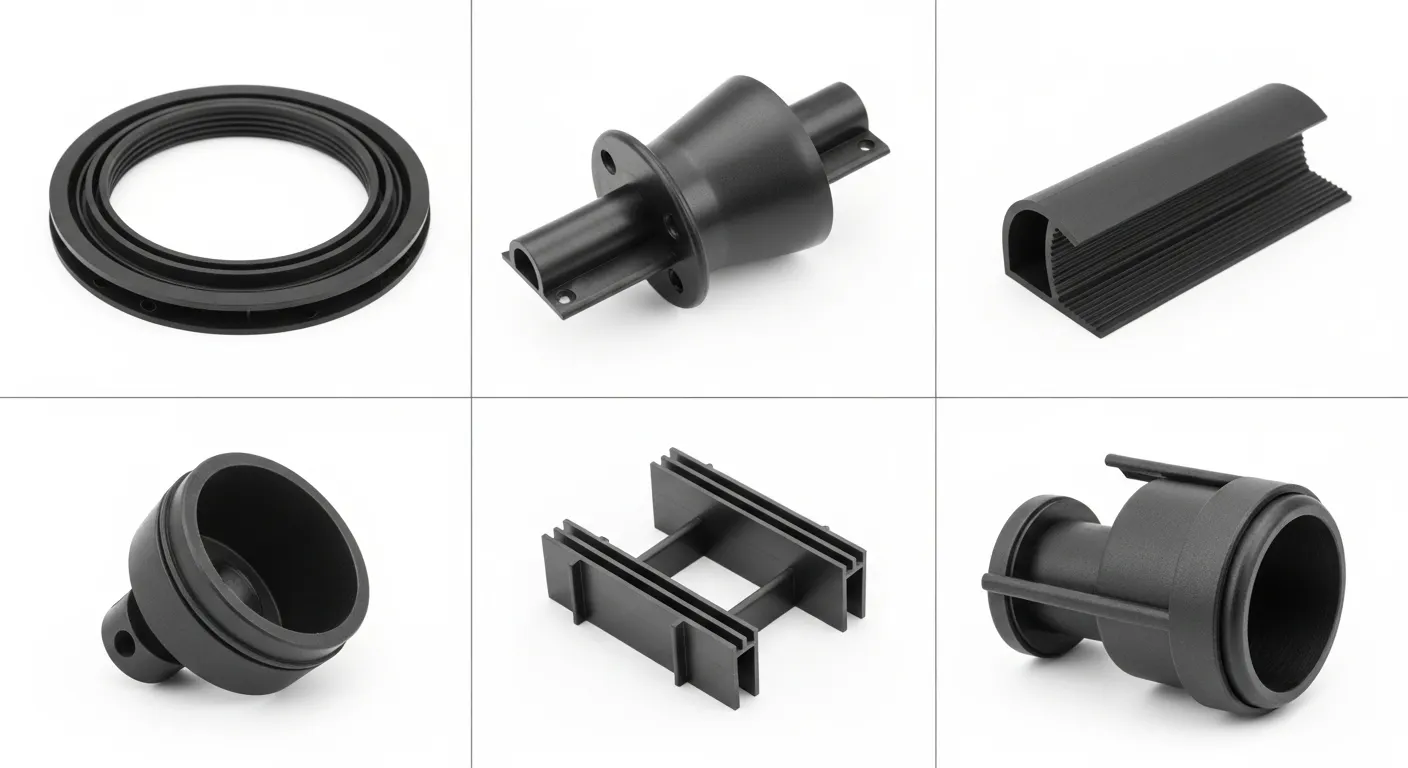


FAQ
1. Which materials are used for these parts?
Answer:
ABS, polycarbonate, nylon, and reinforced polymers for strength and stability.
2. Why choose lightweight plastics over metals?
Answer:
They reduce weight, simplify handling, and resist corrosion.
3. Do they perform well in aerospace systems?
Answer:
Yes, polymers are lightweight and withstand varying environmental conditions.
4. Are they suitable for industrial equipment?
Answer:
Yes, widely applied in machines, control systems, and frameworks.
5. Why are lightweight plastic structural parts important?
Answer:
They combine strength and low mass, improving efficiency and simplifying integration in multiple applications.