


Rapid Prototyping for Low Quantities: 1–50 Pieces Guide
Prototyping for low quantities refers to the manufacturing of 1 to 50 parts using rapid production methods like 3D printing, CNC machining, or vacuum casting. This specialized volume range allows hardware startups and R&D engineers to validate product designs, perform functional testing, and secure investor approval without committing to expensive mass-production tooling. By bridging the gap between a single concept model and full-scale manufacturing, small batch production minimizes financial risk while ensuring technical accuracy before scaling.
Choosing the Right Method for Small Batch Prototype Production
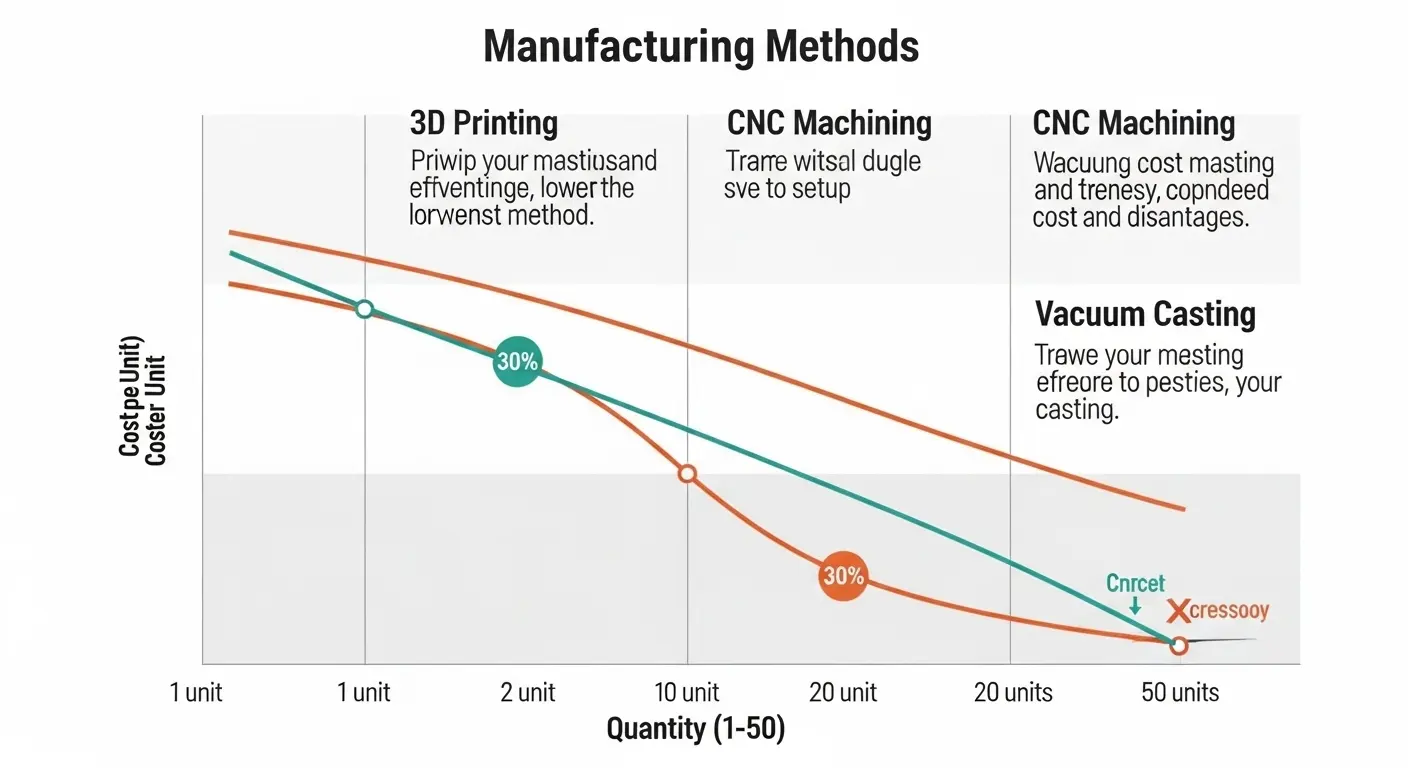
Selecting the optimal manufacturing process for a 1–50 piece run requires balancing speed, material properties, and total project cost. In this "bridge" phase, the per-unit cost is often higher than in mass production, but the goal is to avoid the five-figure investment required for permanent steel molds. Low volume rapid prototyping allows teams to iterate quickly based on real-world feedback.
Engineers must evaluate the intent of the batch. If the 50 pieces are for a trade show, visual fidelity is paramount. If they are for mechanical stress testing, material strength takes precedence. At SunOn, we analyze these requirements during the DFM (Design for Manufacturability) phase to steer clients toward the most efficient process for their specific quantity.
Vacuum Casting: The "Sweet Spot" for 10–50 Units
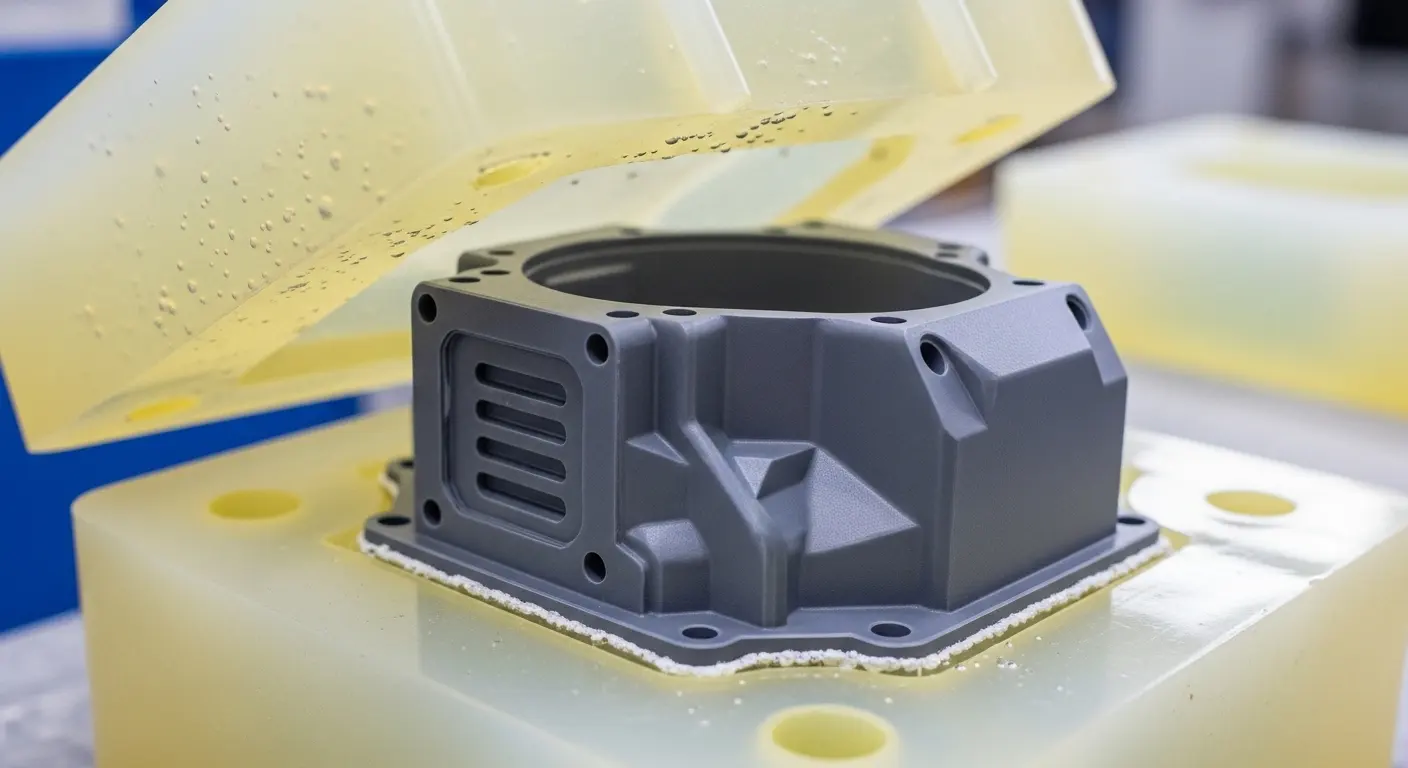
Vacuum casting is often the most logical choice when your requirement falls between 10 and 50 pieces. This process involves creating a high-fidelity 3D-printed master part, which is then used to form a silicone mold. We then inject polyurethane resins into the mold under a vacuum to produce parts that closely mimic the properties of injection-molded plastics like ABS, PC, or high-temp nylon.
The primary advantage here is cost-efficiency. A single silicone mold can typically produce 20 to 25 high-quality "shots" before the mold degrades. For a 50-piece run, we simply create two molds. This provides a production-like surface finish and color matching that is often superior to raw 3D prints, making it ideal for custom 3D-printed prototypes that need to look and feel like retail-ready products.
Multi-Jet CNC Machining for High-Precision Batches
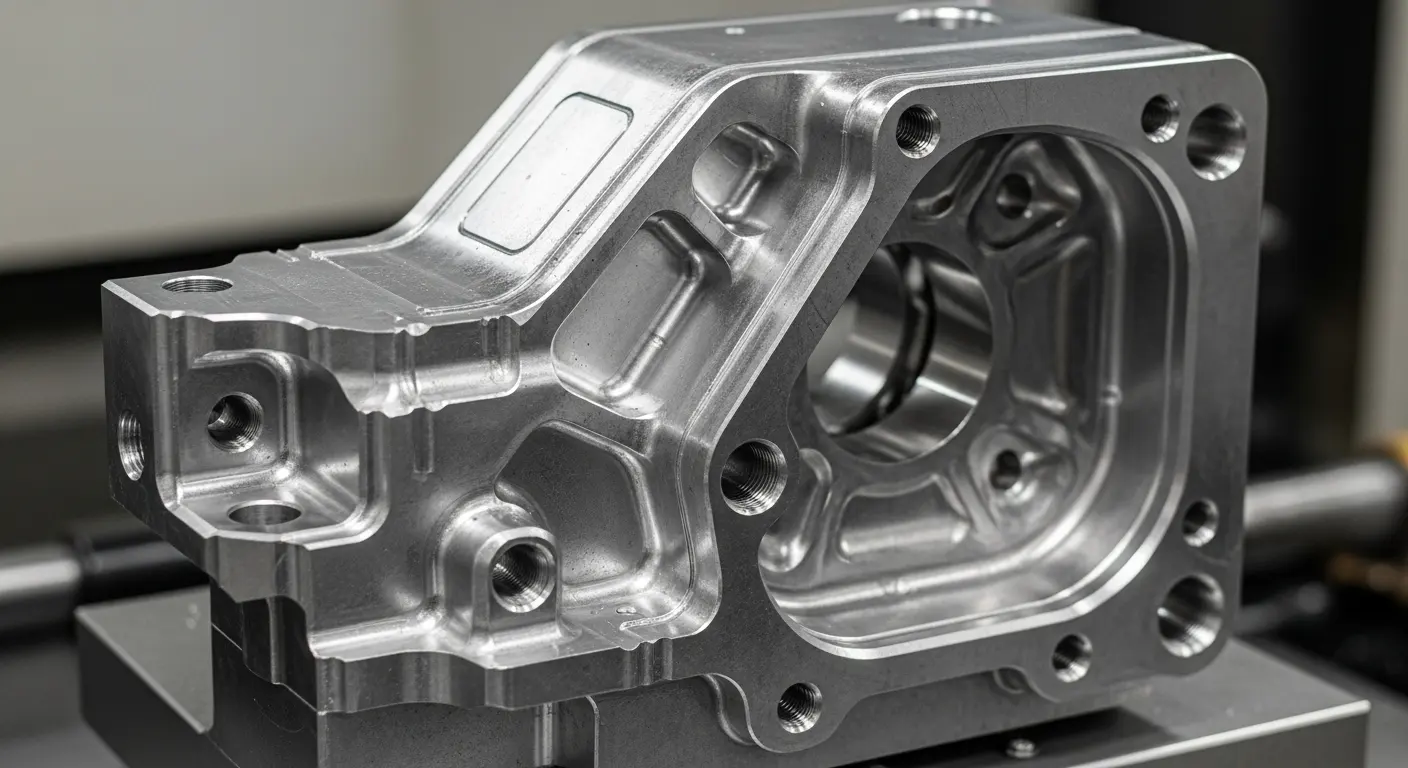
When your project demands extreme dimensional stability or metal components, CNC machining is the preferred route for 1-50 piece manufacturing. Unlike additive manufacturing, CNC is a subtractive process that delivers tolerances as tight as ±0.05mm. This precision is critical for assembly housings where internal components must fit perfectly across every unit in the batch.
Machining 50 pieces is also an excellent way to test the actual production material, such as Aluminum 6061 or Stainless Steel 316. While 3D printing can simulate these materials, CNC uses the real thing. This ensures that your functional testing results are 100% accurate to the final product's performance.
Economic Factors of Short Run Prototyping Services
Understanding the cost structure of short run prototyping services is essential for maintaining a lean R&D budget. In this volume bracket, the total cost is divided into two main categories: setup costs and unit costs. Setup costs include CAD programming, machine calibration, and mold making. Unit costs cover the actual material and machine run-time.
For a single piece, 3D printing almost always wins on price because it has virtually zero setup cost. However, as you move toward 50 pieces, the labor of post-processing each 3D print starts to add up. In contrast, vacuum casting has a higher initial setup (the silicone mold) but a much lower unit price. By the 25th piece, the total cost of vacuum casting often crosses below the cost of 3D printing.
Sourcing managers should also consider "hidden" costs like lead time and logistics. A slightly higher production price in a high-speed hub like Dongguan can often be offset by the time saved in reaching the market. Fast iteration prevents the "burn rate" of a startup from exhausting capital before the product is ready for mass production.
Material Selection for Functional 1–50 Piece Runs
The transition from "look-alike" models to "work-alike" prototypes is the defining characteristic of 1–50 piece runs. In this stage, you are no longer just checking the shape; you are checking the performance. This requires using production-grade materials that can withstand the environmental rigors of the product's end-use.
For plastic components, high-precision 3D printing offers engineering resins that simulate properties like flame retardancy (UL94-V0) or high heat deflection. However, if the parts are destined for medical environments, we often recommend medical model 3D printing using biocompatible materials. Choosing the right material at the 1–50 unit stage ensures that your validation data is reliable enough to move into mass production.
Quality assurance is equally important. Even for a small batch, SunOn provides material datasheets (TDS) and dimensional inspection reports. This level of documentation is vital for procurement managers who must prove to stakeholders that the prototypes meet the engineering specifications. Consistency across all 50 units is non-negotiable for professional-grade R&D.
How to Accelerate Your Bridge Tooling for Startups
For startups that have moved past initial validation and need 50 to 500 units for beta testing or early sales, "bridge tooling" is the ultimate strategic move. Bridge tooling typically involves using aluminum or P20 soft steel molds instead of hardened tool steel. These molds are faster to cut and less expensive, providing a middle ground before the final investment in multi-cavity mass production molds.
The beauty of bridge tooling for startups is that it uses actual injection molding processes. This means you get the exact material, texture, and structural integrity of a mass-produced part. Aluminum molds can be produced in as little as two weeks, allowing you to hit the market while your primary production tools are still being manufactured.
This approach also serves as a final DFM check. If a design flaw is discovered during the bridge production of 50 pieces, it is relatively inexpensive to modify an aluminum tool. Modifying a hardened steel tool later would be significantly more costly and time-consuming. Bridge tooling provides the safety net every hardware founder needs.
Critical Decision Factors for B2B Sourcing Managers
Procurement managers and R&D leads must look beyond the initial quote when sourcing small batch prototype production. Technical capability is paramount. Does the supplier understand the nuances of DFM for the specific technology? A supplier that blindly prints a part without flagging potential molding issues in the future is not a partner; they are just a vendor.
Transparency in quality control is another major factor. Even for a 10-piece run, the supplier should offer transparency regarding tolerances and surface finishes. At SunOn, we provide clear communication through every step, from the initial RFQ to the final dispatch. We understand that these 50 pieces are often the "make or break" batch for a hardware brand's funding or market entry.
Finally, consider the scale-up readiness. Working with a supplier that handles both prototyping for low quantities and mass production ensures a seamless transition. The knowledge gained during the 50-piece run stays within the same engineering team, making the jump to 10,000 units much smoother and less prone to communication errors.
Frequently Asked Questions About Low Quantity Prototyping
What is the cheapest way to make 50 plastic parts?
Vacuum casting is generally the most cost-effective method for producing 50 plastic parts with a production-like finish. While 3D printing has lower setup costs, the per-unit price of vacuum casting decreases significantly as the volume increases, making it the "sweet spot" for small batches.
How long does it take to produce 50 prototypes?
Production time varies by complexity, but a typical 50-piece run using vacuum casting or CNC machining takes between 7 and 12 business days. This includes the time for creating the master part, the silicone molds, and the actual casting or machining of the batch.
Can I use CNC machining for 1-50 pieces?
Yes, CNC machining is highly effective for 1-50 pieces, especially when high precision, specific metal materials, or tight tolerances are required. It is a common choice for functional mechanical components and engine parts that 3D printing cannot fully replicate.
Is 3D printing efficient for 50 units?
3D printing is efficient for 50 units if the parts are small, have complex geometries that are hard to mold, or if you need them in 3-5 days. However, for 50 units, the total cost may exceed vacuum casting, and the surface finish may require more manual labor.
What is the difference between bridge tooling and rapid prototyping?
Rapid prototyping (like 3D printing) focuses on speed and design validation for very low volumes (1-10 units). Bridge tooling involves creating temporary molds to produce hundreds or thousands of parts using real injection molding processes before the final production tool is ready.
Can 50 prototypes be used for market testing?
Yes, 50 prototypes are an ideal quantity for market testing, beta programs, and "friends and family" launches. Because methods like vacuum casting produce parts that look and function like final products, they are perfect for gathering authentic user feedback.
Do 1-50 piece runs include quality certifications?
Professional suppliers like SunOn provide quality documentation for small batches, including dimensional reports and material certifications. While full ISO validation is usually reserved for mass production, these reports provide the technical assurance needed for R&D phases.
Why should I source 50 pieces from China instead of locally?
Sourcing from a manufacturing hub like Dongguan, China, offers a unique combination of high-speed production and technical expertise. The dense supply chain allows for faster access to materials and specialized post-processing, often resulting in shorter total lead times even when international shipping is included.
Conclusion: Bridging the Gap to Success
Navigating the prototyping for low quantities phase is a critical milestone for any hardware project. Whether you choose the speed of 3D printing, the precision of CNC machining, or the efficiency of vacuum casting, the goal remains the same: high-quality validation with minimal risk.
SunOn Industrial Group specializes in helping global brands navigate this 1–50 piece journey. Our DFM-led approach ensures that your small batch isn't just a prototype, but a stepping stone to successful mass production. We combine the agility of a prototype shop with the technical rigor of a full-scale factory.
Do you have a project that requires a small batch of 1–50 pieces? Contact SunOn today for a comprehensive DFM review and a quote that optimizes your path from prototype to production.
