


Is Silicone Rubber FDA Approved for Medical Devices? 2026 Regulatory Guide
The FDA does not officially "approve" silicone rubber as a raw material; instead, it grants clearance to finished medical devices. However, silicone is deemed FDA compliant when it meets 21 CFR 177.2600 and biocompatibility standards like USP Class VI or ISO 10993, ensuring safety for clinical applications.
Understanding the "Approval" vs. "Compliance" Distinction
The FDA regulates the end-use application of a medical device rather than the raw silicone material itself. For a device to receive 510(k) clearance, the manufacturer must prove the material is biocompatible and safe for its specific contact level (skin, mucosal, or implant).
At Sunon-mould, we emphasize to our clients that using a material labeled "FDA compliant" is only the first step. Our experience in precision tool making shows that the manufacturing process—specifically the curing agent used—is what ultimately determines if the final part will pass FDA scrutiny for medical use.
| Term | Regulatory Meaning | Applied To |
| FDA Compliant | Meets 21 CFR 177.2600 standards | Raw Silicone Material |
| USP Class VI | Passed systemic toxicity tests | Medical Grade Materials |
| FDA Cleared/Approved | Validated for safe clinical use | Final Medical Device |
The Three Pillars of Medical Grade Silicone Compliance
Biocompatibility (USP Class VI & ISO 10993)
Biocompatibility ensures that the silicone does not produce a toxic, injurious, or immunological response in living tissue. USP Class VI is the most stringent grade, involving systemic toxicity and intracutaneous reactivity tests.
In our testing protocols at Sunon-mould, we ensure that every medical-grade project begins with a verified Certificate of Analysis (CoA). This documentation is vital for the traceability required by the ISO 9001:2015 standards we maintain across our production facilities.
Purity & Curing (Why Platinum Matters)
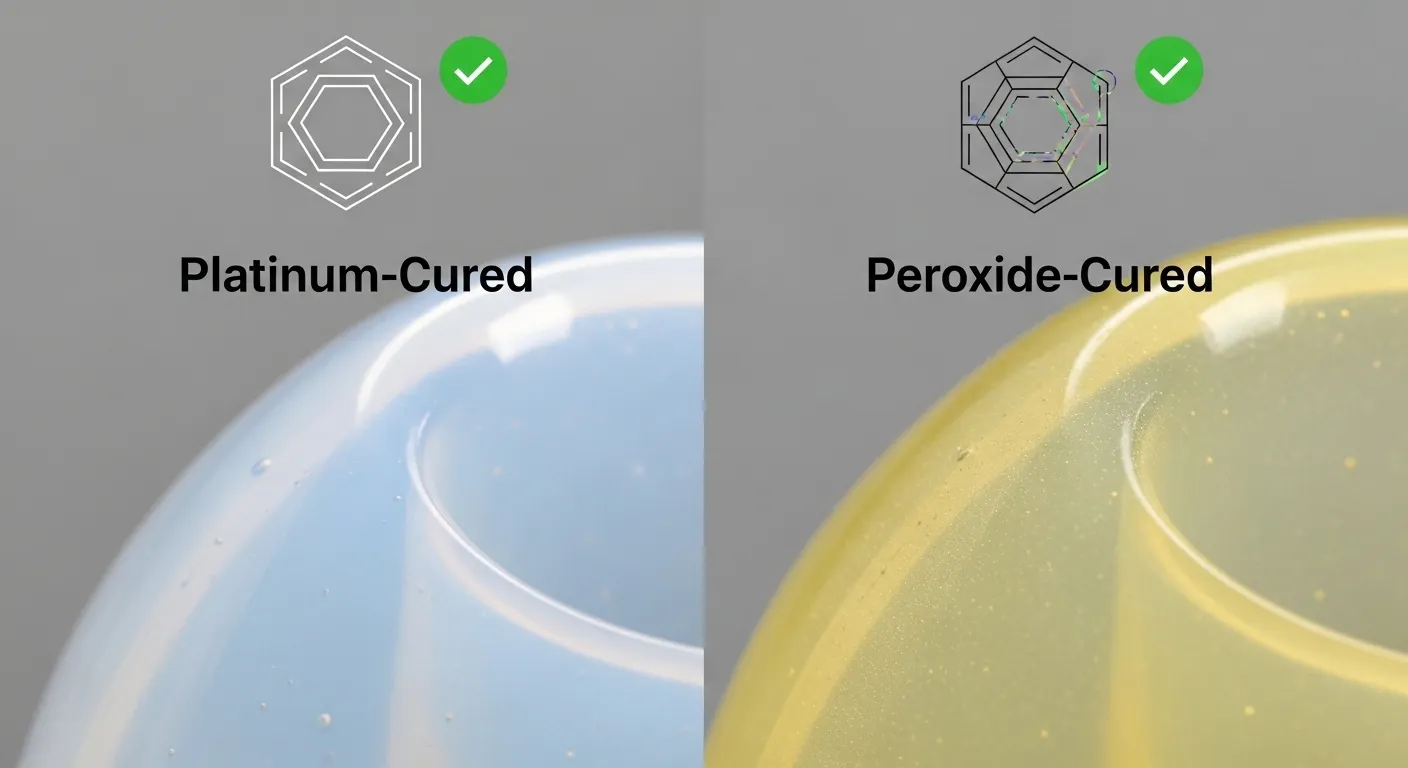
Medical-grade silicone must be platinum-cured rather than peroxide-cured to ensure the highest purity levels. Platinum curing leaves no oxidative by-products or "blooming" residues, which are common with industrial-grade peroxide silicones.
We recommend platinum-cured Liquid Silicone Rubber (LSR) for any device requiring prolonged skin or internal contact. This choice prevents the leaching of volatile organic compounds (VOCs) that could compromise device certification. For more details on material selection, see our guide on what is the difference between silicone molding and rubber molding.
Manufacturing Environment (ISO 13485 & Quality Systems)
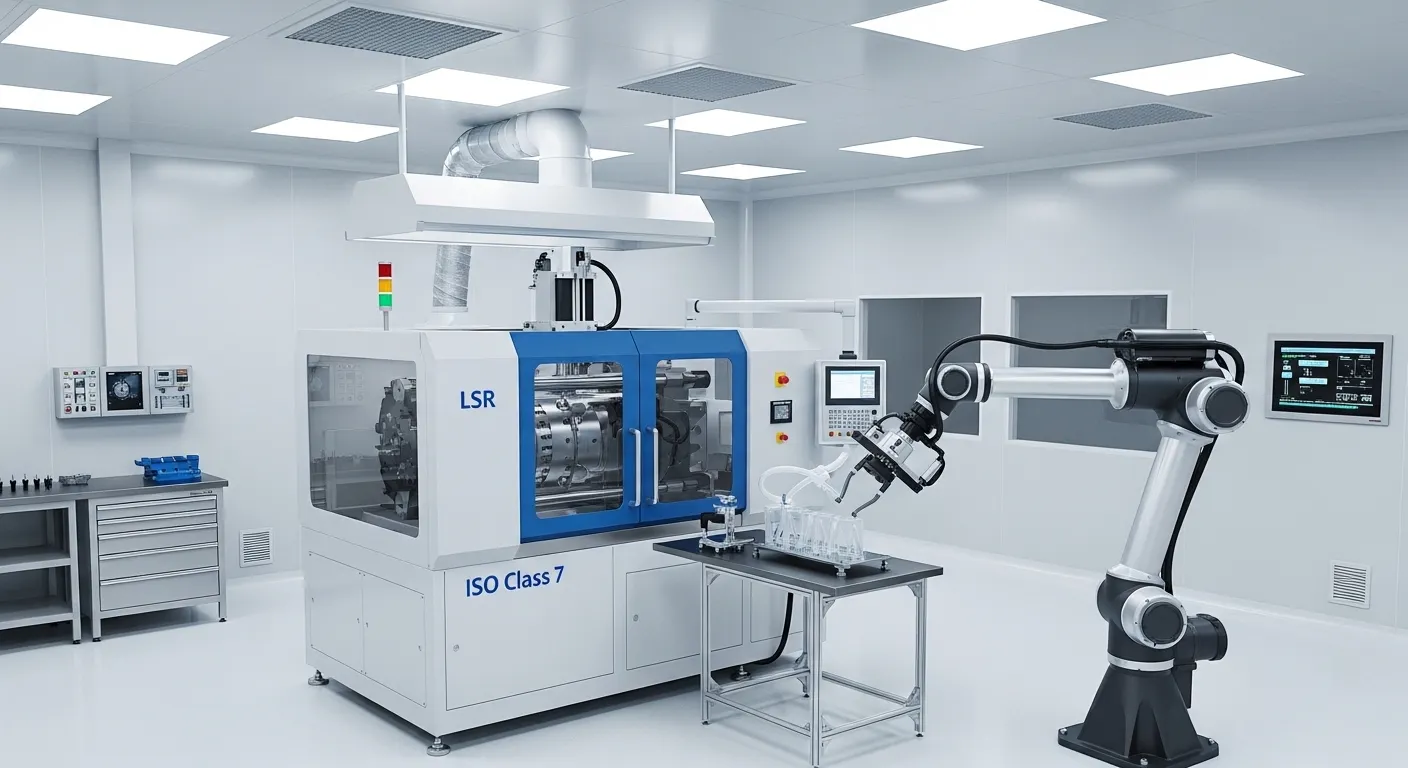
Compliance is not just about the material; it is about the environment where the part is molded. To prevent cross-contamination from industrial oils or dust, medical parts should ideally be produced in an ISO-certified cleanroom.
Our facilities follow rigorous standardized processes, including 100% online product testing. We leverage our expertise in IATF 16949 and ISO 9001 quality systems to ensure that every mold and part meets the tight tolerances required by the healthcare sector.
Classifying Silicone Devices by FDA Risk Level
The FDA categorizes medical devices into three classes based on risk. The level of "approval" or documentation required for the silicone component depends entirely on this classification.
- Class I (Low Risk): External items like surgical mats or handles. These often require basic FDA compliance (21 CFR 177.2600).
- Class II (Medium Risk): Items like respiratory masks, catheters, and diagnostic seals. These require proof of biocompatibility (ISO 10993).
- Class III (High Risk): Long-term implants and heart valves. These require the most stringent "Implant Grade" silicone and extensive clinical data.
Understanding these risks early in the design phase is critical. For assistance with early-stage development, refer to our technical resource on how to design parts for silicone rubber molding process.
The Manufacturer’s Trap: Why Material Compliance Isn’t Enough
A common pitfall we see is assuming that an FDA-compliant raw material guarantees an FDA-approved part. If a compliant silicone is molded using tools contaminated by non-medical materials, the final part may fail biocompatibility tests.
At Sunon-mould, we mitigate this risk through dedicated tooling and strict material segregation. We also consider thermal factors; for instance, understanding what temperature can silicone rubber parts withstand is essential for ensuring the part remains stable during sterilization processes like autoclaving.
Frequently Asked Questions
While food-grade silicone (21 CFR 177.2600) is safe for contact with consumables, it does not undergo the rigorous biocompatibility testing required for medical applications. Medical-grade silicone must pass USP Class VI or ISO 10993 testing to ensure it does not cause cell damage or systemic toxicity.
Medical-grade silicone is generally intended for external or short-term mucosal contact (less than 29 days). Implant-grade silicone is specifically purified and tested for long-term permanent residence inside the human body, meeting much higher standards for extractables and longevity.
To verify compliance, you must request a Certificate of Analysis (CoA) and a Material Safety Data Sheet (MSDS) from the manufacturer. These documents should explicitly state compliance with 21 CFR 177.2600 and list any biocompatibility certifications like USP Class VI or ISO 10993.
