


Silicone Molding vs. Rubber Molding: The 2026 Engineer’s Selection Guide
Deciding between silicone molding and rubber molding is a pivotal choice that impacts your product's thermal resistance, biocompatibility, and long-term production ROI. While both utilize elastic polymers, their chemical backbones—siloxane versus carbon chains—dictate vastly different performance envelopes in demanding industrial environments.
The Chemical Divide: Siloxane vs. Carbon Chains
The fundamental difference between silicone and rubber lies in their atomic structure; silicone features a siloxane (silicon-oxygen) backbone, whereas natural and synthetic rubbers rely on carbon-carbon bonds. This molecular distinction grants silicone superior UV, ozone, and thermal stability, while carbon-based rubbers often provide higher mechanical toughness and resistance to specific petroleum-based oils.
In our work at SunOn Industrial Group, we have observed that the Si-O bond strength is the primary reason why silicone components remain flexible at sub-zero temperatures where traditional EPDM or Nitrile (NBR) would become brittle and fail. Conversely, for heavy-duty industrial gaskets requiring high abrasion resistance, a carbon-chain synthetic rubber often proves more resilient.
Process Comparison: Speed vs. Complexity
Choosing between Liquid Silicone Rubber (LSR) and traditional rubber molding depends largely on your required precision and production volume. LSR injection molding utilizes automated, closed-loop systems for high-speed, flash-less output, while traditional rubber often requires manual labor for compression or transfer molding, making it better suited for simpler, large-scale parts.
Liquid Silicone Injection Molding (LSR)
Our facility utilizes advanced LSR injection technology to produce high-precision parts for medical and electronic applications. We've found that the low viscosity of liquid silicone allows it to flow into complex geometries that traditional high-consistency rubber (HCR) simply cannot reach without risking air pockets or defects.
Traditional Rubber Compression & Transfer Molding
For larger, less intricate components like heavy-duty automotive seals, we often recommend compression molding. While the cycle times are longer—often several minutes compared to seconds for LSR—the lower initial tooling cost makes it a highly effective choice for low-to-medium volume production runs.
Technical Specification Table: 2026 Performance Benchmarks
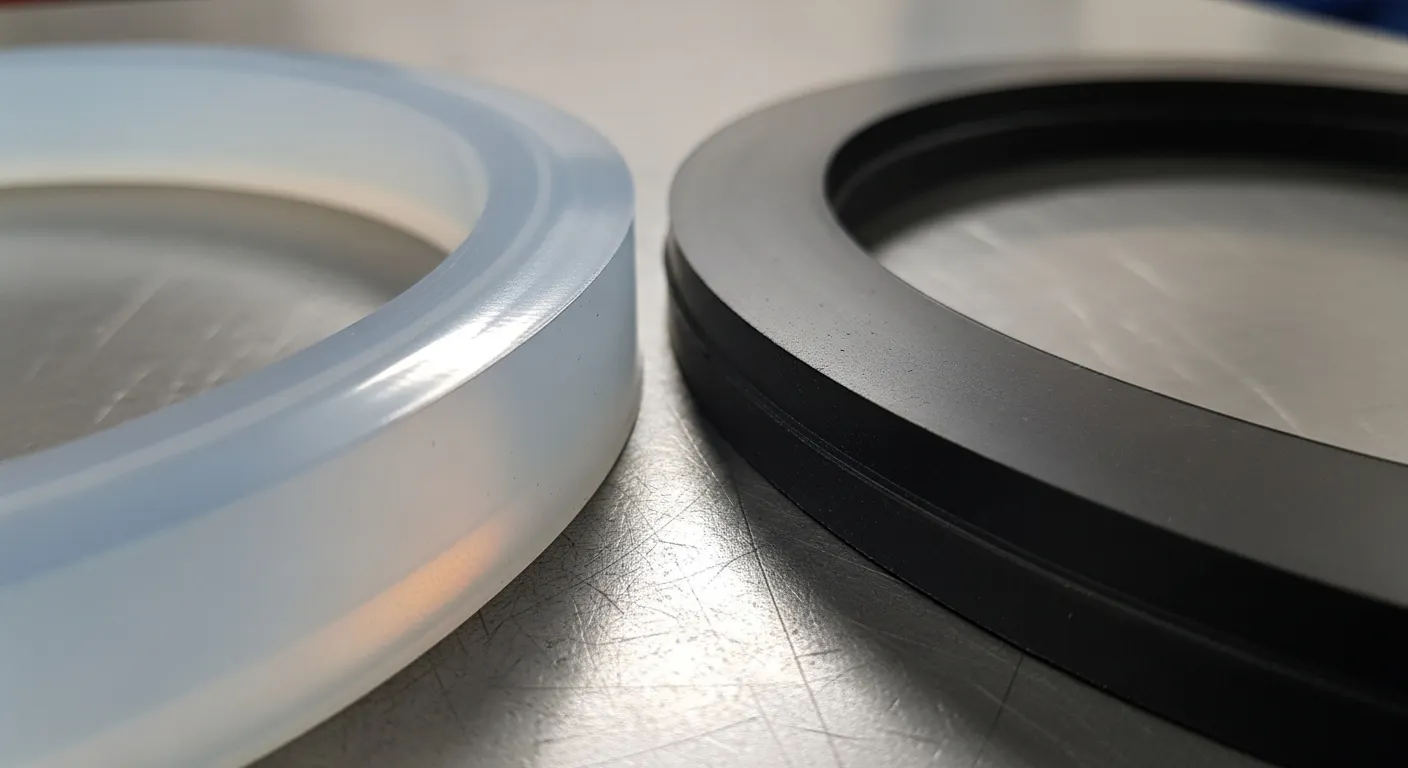
| Feature | Silicone (LSR/HCR) | Natural/Synthetic Rubber |
| Temperature Range | -60°C to +250°C | -40°C to +120°C |
| Oil Resistance | Poor (tends to swell) | Excellent (Nitrile/FKM) |
| Biocompatibility | High (Inert/USP Class VI) | Low (Potential Allergens) |
| Cycle Time | 30–90 Seconds | 3–10 Minutes |
| Tooling Cost | High (Hardened Steel) | Low to Medium |
The "Hidden" Decision Factors: Information Gain
While temperature and cost are standard metrics, the gas permeability and tear strength of these materials often determine project success. Silicone is highly gas-permeable, making it ideal for breathable medical applications but unsuitable for high-vacuum seals; traditional rubbers like Butyl are preferred for air-tightness in tire liners or vacuum chambers.
In our experience, engineers often overlook the "flash" factor. Silicone molding at SunOn is designed to be virtually flash-free, reducing secondary trimming costs. Traditional rubber molding typically requires manual de-flashing, which can increase the total cost per part by 15-20% despite lower initial material prices.
- For specialized needs, consider chemical resistant silicone components for harsh environments.
- Dynamic seals require flexible silicone parts for dynamic applications.
- Optical clarity is best achieved with optically clear silicone parts for lighting and lenses.
Cost Analysis: When does the "Break-Even" Point Occur?
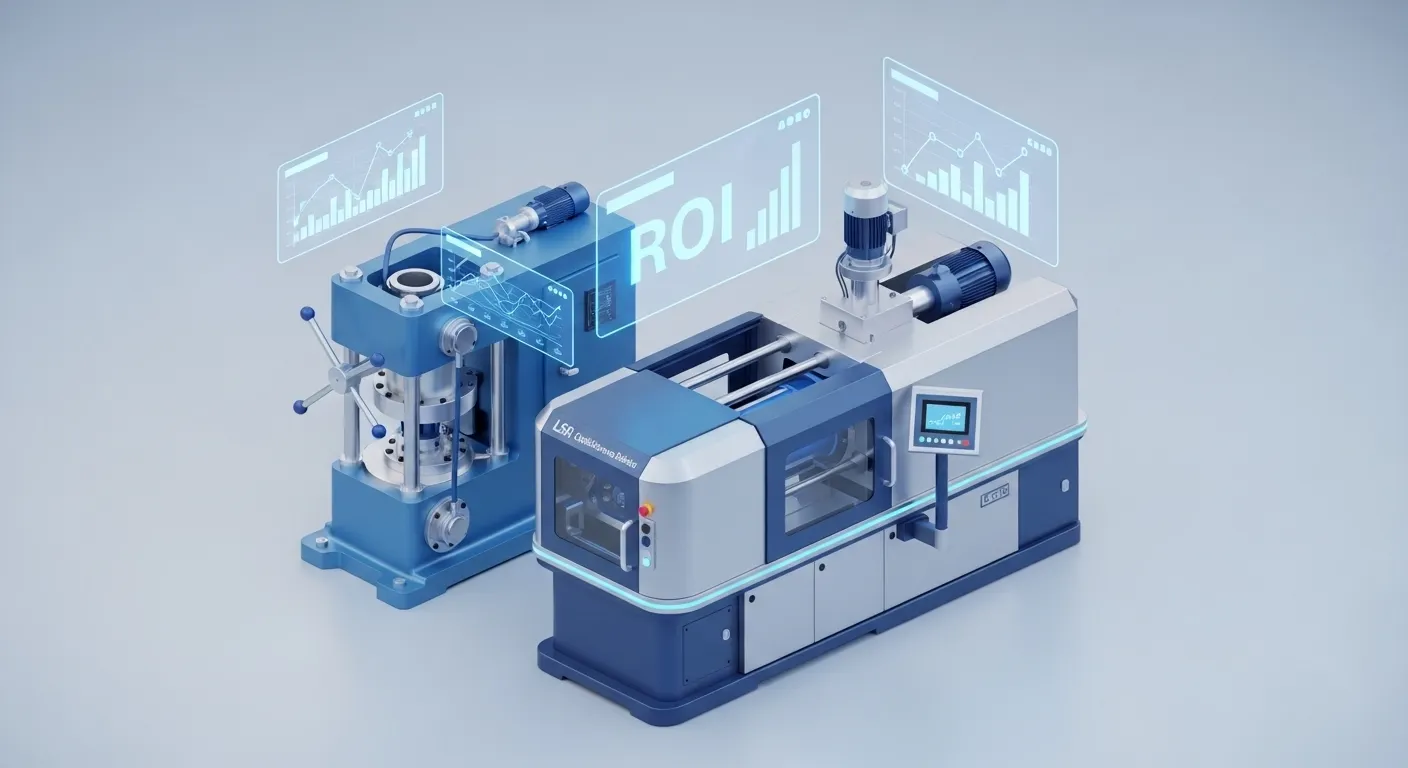
The financial viability of silicone vs. rubber molding is determined by the "Total Cost of Ownership," which balances tooling investment against labor and scrap rates. High-volume projects exceeding 10,000 units typically favor silicone injection molding because the automated cycle times and minimal waste eventually offset the more expensive stainless steel molds.
We recently evaluated a project for a medical device housing where the client initially requested compression-molded rubber to save on tooling. However, after factoring in the labor-intensive trimming and the higher reject rate of traditional rubber, our analysis showed that LSR injection molding would provide a lower total cost within the first 5,000 units.
FAQ: Frequently Asked Questions
Yes, the initial investment in silicone molding is usually higher due to the need for precision-hardened steel tools and specialized injection machinery. However, for high-volume production, the lower labor costs and faster cycle times of silicone often result in a lower cost per part over the project’s lifecycle.
Silicone is significantly better for outdoor environments. Unlike natural rubber, which undergoes "ozonolysis" and cracking when exposed to sunlight and air, silicone's inorganic backbone is naturally resistant to UV radiation and weathering, ensuring a service life that can exceed 20 years in harsh climates.
Generally, no. Silicone and traditional rubber have different shrink rates and require different heating/cooling configurations. At SunOn, we design custom molds specifically for the material's unique flow characteristics to ensure dimensional accuracy and prevent warping or flash.
Yes, silicone is the industry standard for food and beverage applications. It is BPA-free, lead-free, and does not leach chemicals into food products. While some synthetic rubbers are food-grade, silicone's ability to withstand extreme dishwasher temperatures and sterilization makes it the more durable and hygienic choice.
