


Silicone Rubber Temperature Limits: An Engineer’s Guide to Thermal Stability
Standard silicone rubber parts withstand continuous temperatures up to 230°C (446°F). However, specialized high-consistency rubber (HCR) formulations can endure intermittent spikes of 300°C (572°F) for short durations. Unlike thermoplastics, silicone does not melt; it gradually loses elasticity and hardens when its thermal limit is exceeded.
In our work at Sunon Mould, we frequently encounter projects where material selection is the difference between a high-performance seal and a catastrophic failure. For a recent automotive client, we optimized a gasket geometry using Liquid Silicone Rubber (LSR) to handle continuous engine bay temperatures while maintaining structural integrity. This hands-on experience in our Dongguan facility allows us to provide more than just data—we provide manufacturing reality.
The Chemistry of Heat Resistance: Why Si-O Outperforms Carbon
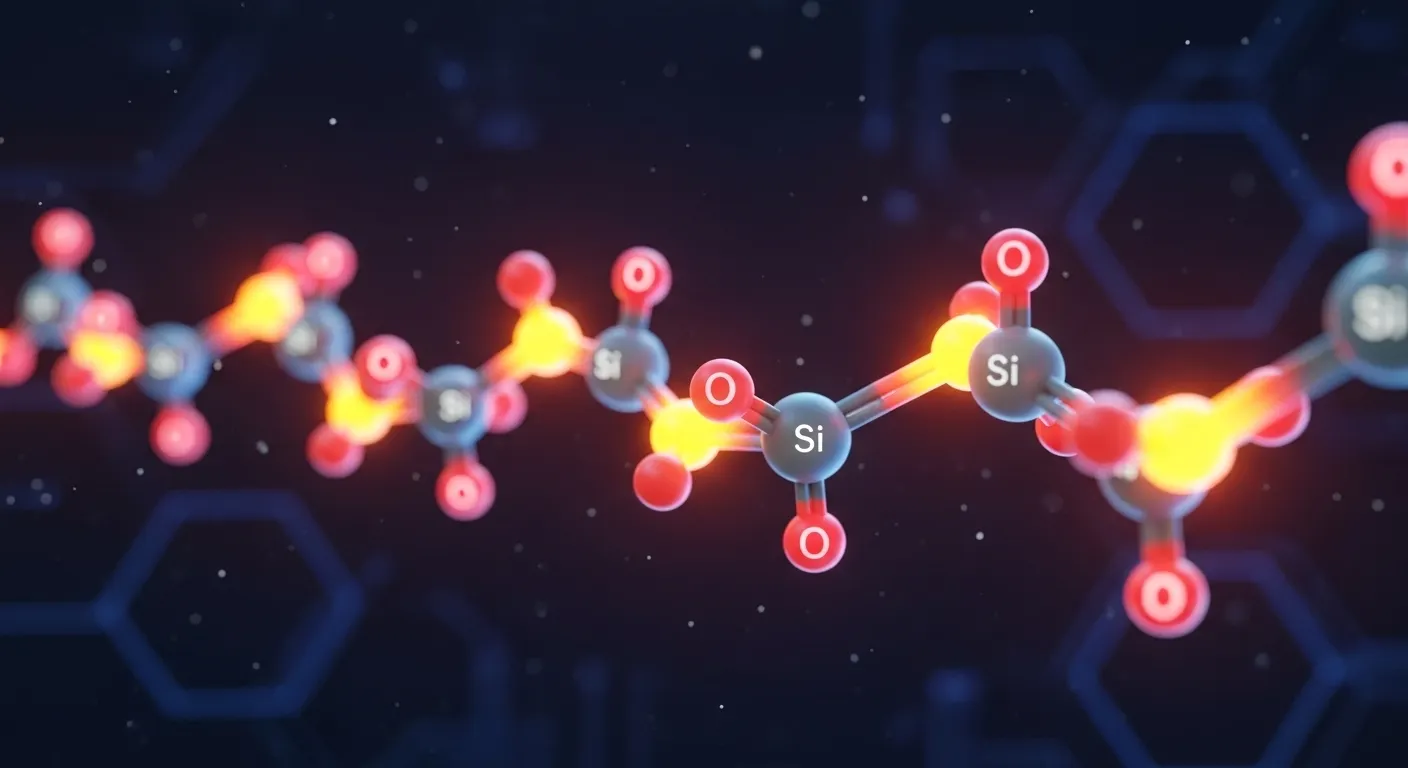
The high thermal stability of silicone rubber is rooted in its siloxane backbone, which consists of alternating silicon and oxygen atoms. This chemical structure possesses a bond energy of 444 kJ/mol, significantly higher than the 348 kJ/mol found in the carbon-to-carbon bonds of organic rubbers like EPDM or Nitrile.
At Sunon, we leverage this molecular advantage to produce optically clear silicone parts for lighting and lenses that must resist yellowing and degradation under intense LED heat. When designing these components, understanding the bond strength is critical for ensuring long-term transparency and performance.
- Primary Bond: Silicon-Oxygen (Si-O) provides inherent heat and UV resistance.
- Side Groups: Methyl or Phenyl groups are added to stabilize the chain at extreme temperatures.
- Cross-linking: The density of the cure affects how the part maintains its shape at 200°C+.
Standard vs. Extreme: Temperature Performance Table
Standard silicone rubber maintains its mechanical properties from -60°C to 230°C, but the performance window changes drastically depending on the specific grade of elastomer used. Choosing the correct grade involves balancing thermal requirements with environmental factors like fuel resistance or low-temperature flexibility, which is why we offer a variety of material options during the silicone vs. rubber molding selection phase.
| Silicone Grade | Continuous Limit (°C) | Intermittent Peak (°C) | Common Application |
| General Purpose (VMQ) | -60 to 200 | 230 | Consumer Electronics, HVAC |
| High-Temp (HTV) | -60 to 230 | 300 | Automotive Gaskets, Industrial Seals |
| Fluorosilicone (FVMQ) | -60 to 200 | 250 | Aerospace Fuel Systems |
| Low-Temp PVMQ | -110 to 150 | 180 | Cryogenic Seals, Space Tech |
The "Time-at-Temp" Degradation Curve
The maximum temperature limit is not a fixed point but a degradation curve where time is the most critical variable. In our testing labs, we’ve observed that a part rated for 230°C might last for years at that temperature, but if pushed to 300°C, it may become brittle and lose its sealing force in as little as 10 hours.
We emphasize this during the initial consultation when you design silicone rubber parts for high-heat environments. A part that functions perfectly in a short-term test may fail in the field if the continuous operating temperature was underestimated by even 15 degrees.
Impact of Post-Curing on Part Longevity
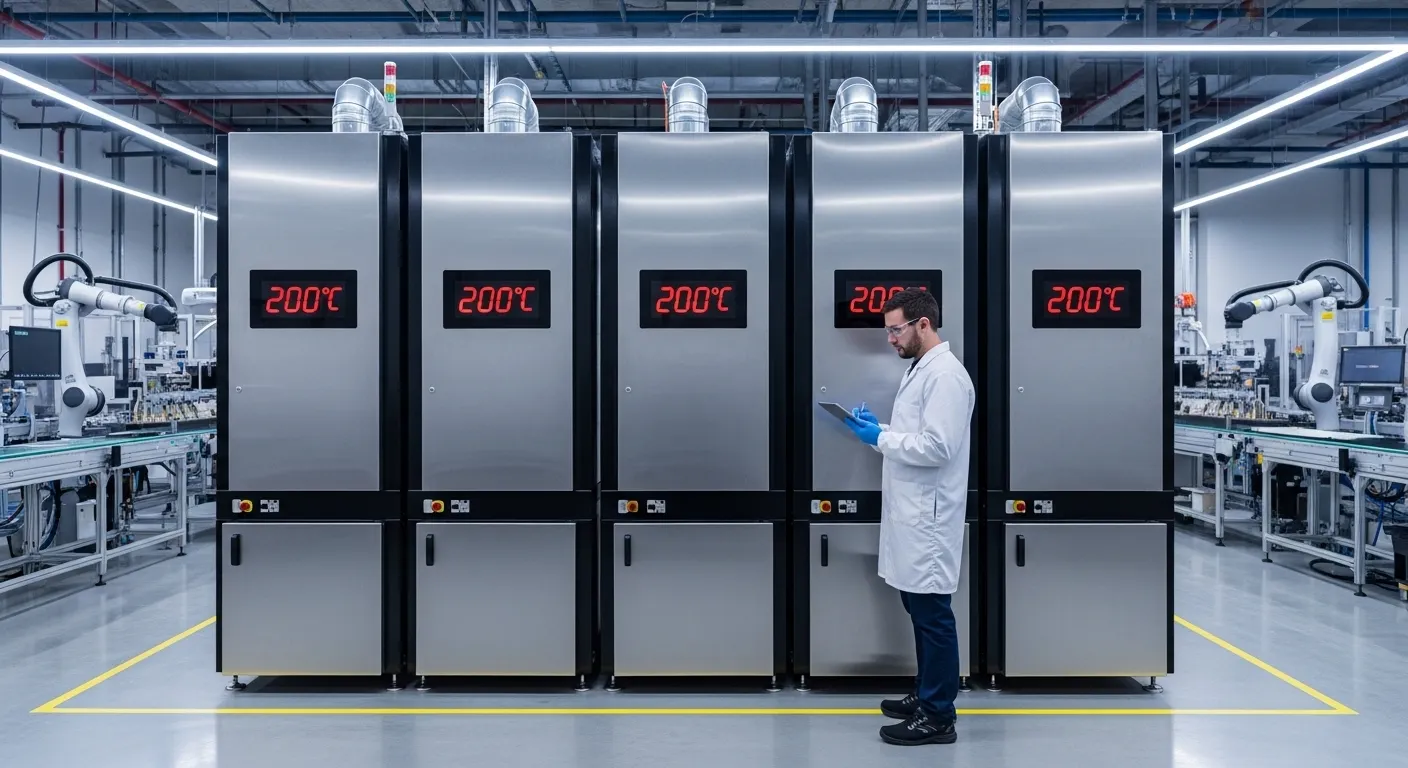
Post-curing is a vital secondary process where we bake parts in a controlled oven for 4 to 16 hours. This process removes volatile organic compounds (VOCs) and "ghosting" agents, which significantly improves the compression set and thermal stability of the final component. At Sunon, we consider post-curing mandatory for medical and automotive parts intended for high-heat use.
Manufacturing Considerations: Molding High-Heat Parts
When molding high-temperature silicone, the addition of heat stabilizers (such as iron oxide) changes the viscosity and flow characteristics of the raw material. These stabilizers can make the material "stiffer" during the injection phase, requiring precise pressure adjustments to prevent air traps or short shots in complex geometries.
In our 22,000 square meter facility, we utilize advanced CNC and EDM machines to create molds that account for the unique shrinkage rates of high-heat grades. We recently handled a project where a customer’s previous supplier struggled with "yellowing" on high-temp clear parts; by switching to a Platinum-cured system and adjusting the tool temperature, we eliminated the discoloration while maintaining the required thermal threshold.
Common Failures in High-Temp Molding
- Under-Curing: Leads to soft parts that fail prematurely at high heat.
- Incompatible Additives: Peroxide-cured grades can emit odors or yellow when exposed to high temperatures over time.
- Poor Venting: Trapped air can cause localized "burn marks" during the high-pressure injection of HCR.
Frequently Asked Questions
No, silicone rubber is a thermoset elastomer, meaning it does not melt like plastic. When exposed to temperatures beyond its limit (typically above 350°C), it undergoes thermal oxidation, eventually turning into a brittle, white powder (silica).
Yes, food-grade silicone is commonly rated for oven use up to 230°C (446°F). However, it should never be exposed to direct flames or temperatures exceeding its specific grade rating, as this will compromise the structural integrity of the part.
Pigments can impact thermal stability. While "Red" silicone often contains iron oxide as a heat stabilizer (allowing it to reach 250°C+), transparent or brightly colored silicones may have slightly lower maximum limits depending on the chemistry of the pigment used.
Yes, most medical-grade silicones can easily withstand the standard autoclave temperature of 121°C to 134°C. Because silicone is chemically inert, it maintains its biocompatibility even after repeated sterilization cycles.
