


Hot Runner Mould Technology in the Netherlands
The advanced hot runner mould technology in the Netherlands is a key enabler of modern manufacturing. The country is a European hub for high-tech engineering and efficient industrial solutions. A hot runner system is a sophisticated component within an injection mould that keeps the plastic in a molten state until it enters the part cavity. This is different from a traditional "cold runner" system. The process of injection moulding is made vastly more efficient and capable through this technology. Hot runner systems are a defining feature of most precision and high-performance moulds. This guide provides a deep dive into the technology, benefits, and applications of hot runner systems, highlighting the expertise found in the Netherlands.
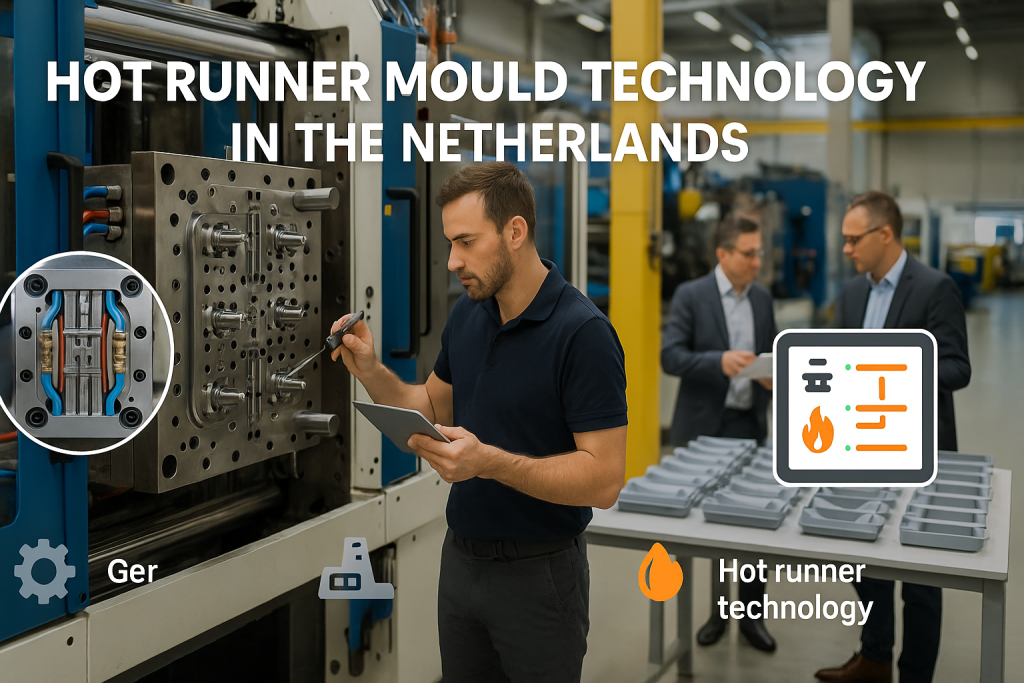
The Fundamentals of Hot Runner Technology
To understand the value of hot runner technology, one must first understand the alternative. In a conventional cold runner mould, the channels that deliver the plastic to the part solidify with each cycle. This solidified runner is then ejected with the parts and is often discarded as waste. Hot runner technology was developed to eliminate this inefficiency.
What is a Hot Runner System?
A hot runner system is an assembly of heated components inside an injection mould. It is essentially a heated plumbing system. It creates a path that keeps the plastic material in a molten state. This path runs from the nozzle of the moulding machine right up to the entry point of the part cavity, which is called the gate. Because the plastic never solidifies in the runner, there is no waste.
The Key Components: Manifold, Nozzles, and Controller
A hot runner system has three main parts. The manifold is a heated block of steel with channels machined inside it. It distributes the molten plastic to various locations in the mould. The nozzles are the components that deliver the plastic from the manifold to the individual part cavities. A temperature controller is an external electronic unit. It precisely controls the temperature of the heaters within the manifold and nozzles.
The Economic Benefits: No Runner Scrap, Faster Cycles
The economic advantages of hot runner technology are significant. The most obvious benefit is the elimination of the plastic runner. This saves a huge amount of material, especially in high-volume production. It also eliminates the secondary operation of separating the parts from the runner. Hot runners can also enable faster cycle times. This is because there is no thick runner that needs to cool down before the mould can open.
The Quality Benefits: Better Process Control and Part Aesthetics
Hot runner technology also provides major quality benefits. It gives the moulder much more precise control over the flow and pressure of the plastic. This leads to a more stable process and more consistent part quality. It also improves the cosmetic appearance of the part. The gate, or the spot where the plastic enters the part, can be made much smaller and less noticeable than with a cold runner.
The Netherlands' Ecosystem for High-Tech Manufacturing
The Netherlands has a long and proud history of precision engineering and trade. This has created a modern industrial ecosystem that is focused on high-tech, high-efficiency solutions. This environment is the ideal breeding ground for advanced technologies like hot runner systems. The country's focus on efficiency and innovation is perfectly aligned with the benefits that this technology provides.
A Tradition of Precision Engineering
The country has a strong tradition in fine mechanics and precision engineering. This has created a deep pool of technical talent. The workforce is highly skilled and multilingual. A strong network of universities and technical institutes supports the industry with research and a steady supply of new engineers. This engineering-focused culture is a key asset.
A Focus on Efficiency and Sustainability
Efficiency and sustainability are core principles of the Dutch industrial philosophy. There is a constant drive to reduce waste, save energy, and make processes more efficient. Hot runner technology is a perfect fit for this mindset. By eliminating runner scrap and reducing cycle times, it directly contributes to a more sustainable and efficient manufacturing process.
A Strong High-Tech and Medical Device Industry
The Netherlands is home to many leading high-tech and medical device companies. These industries are major users of advanced injection moulding. They require high levels of precision, quality, and process control. This strong domestic demand has spurred the growth of a sophisticated local supply base for advanced tooling and components, including hot runner systems.
A Central Hub for European Logistics
The country's strategic location and world-class infrastructure, including the Port of Rotterdam, make it a central hub for European logistics. This makes it an ideal location for a company that supplies a critical technology like hot runners to the entire European market. It allows for the efficient distribution of products and the rapid deployment of service technicians.
Types of Hot Runner Systems and Their Applications
There are many different types of hot runner systems. The choice of the right system depends on the type of plastic material being used, the requirements of the part, and the overall budget. The experts in hot runner mould technology in the Netherlands have mastered all of these different variations.
Externally Heated Systems
In an externally heated system, the heaters are located on the outside of the manifold and nozzles. This is the most common and robust type of system. The heat flows from the outside in to keep the plastic molten. These systems are known for their reliability and are suitable for a wide range of applications.
Internally Heated Systems
In an internally heated system, the heater is located inside the flow channel, in direct contact with the molten plastic. These systems can provide very precise temperature control. However, they can be more challenging to clean and maintain. They are often used for thermally sensitive materials that require very tight process control.
Hot Tip Gating
Hot tip gating is a common type of nozzle design. The nozzle has a small heated tip that is in direct contact with the part. When the injection is complete, the small amount of plastic at the tip solidifies, sealing the gate. This leaves a very small, clean mark on the part. It is widely used for commodity resins like polypropylene and polyethylene.
Valve Gate Systems
A valve gate system is a more advanced and complex type of nozzle. It contains a mechanical pin, or valve, that is opened and closed by a pneumatic or hydraulic actuator. When the injection is complete, the valve closes, completely shutting off the flow of plastic. This provides a perfectly clean gate with no vestige. It is the preferred solution for engineering resins and for parts that require a flawless cosmetic surface.
Global Applications of Advanced Hot Runner Technology
Hot runner technology is a key enabler for many different types of advanced tooling around the world. The systems developed by specialists are used by mould makers in every major industrial hub. This technology is essential for achieving the highest levels of performance in various specialized applications.
Enabling High-Volume Production
Hot runner systems are absolutely essential for high-volume, multi-cavity moulding. For a tool that produces many parts at once, a cold runner would be massive and incredibly wasteful. Hot runners are the standard technology for this type of tooling. This is why the makers of multi-cavity moulds in Montreal are major users of this technology for the packaging and medical markets.
Achieving Flawless Aesthetics
For products where the cosmetic appearance is critical, valve gate hot runner systems are the preferred choice. They leave a perfectly clean gate mark on the part. This is essential for luxury goods and high-end consumer products. The makers of precision moulds in Italy, Milan, who specialize in these aesthetic parts, rely heavily on advanced valve gate technology.
Ensuring Consistency in Tight-Tolerance Parts
Hot runner systems provide superior control over the moulding process. This leads to more consistent part dimensions. This is critical for high-precision applications in the medical and industrial sectors. The makers of high-precision moulds in Chicago use hot runner systems to ensure that every part they produce meets the required tight tolerances.
Gating Solutions for Very Large Parts
Injecting plastic into a very large part presents a significant challenge. It often requires multiple gates to fill the part properly. A hot runner system is the ideal way to deliver plastic to these multiple gate locations. This is a key technology used by the makers of large moulds in Adelaide for industrial and agricultural components.
The Netherlands' Role as a Global Technology Provider
The Netherlands plays a key role in this global network. Its companies are not just users of this technology; they are leading developers and suppliers of it. They export their advanced hot runner systems to mould makers all over the world. This makes the country a critical technology provider for the entire global injection moulding industry.
Design and Engineering Considerations for Hot Runner Moulds
The integration of a hot runner system into a mould is a complex engineering task. It requires careful planning and a close collaboration between the mould maker and the hot runner supplier. There are many important design and engineering considerations that must be addressed.
Material Selection for Hot Runner Components
The components of a hot runner system are exposed to high temperatures and pressures. They must be made from specialized steels and other high-performance materials. The choice of material for the nozzles and manifold depends on the type of plastic being moulded. Some plastics are corrosive and require the use of special corrosion-resistant alloys.
Thermal Analysis and Rheological Simulation
Before the system is built, a great deal of simulation work is done. Thermal analysis is used to ensure that the heaters can maintain a uniform temperature throughout the manifold. Rheological simulation, which is part of mould flow analysis, is used to study how the plastic will flow through the channels. This helps to optimize the design for a balanced fill and minimal pressure drop.
Gate Location Strategy for Optimal Filling
The location of the gate on the part is a critical decision. It affects how the part fills, where weld lines will be located, and the cosmetic appearance of the part. The engineering team will use their experience and simulation tools to determine the optimal gate location. This is a key part of the upfront design process.
Integration with the Mould's Cooling System
The hot runner system is a source of heat inside the mould. The mould's cooling system must be designed to manage this heat. It is particularly important to provide effective cooling around the gate area. This ensures that the gate can freeze off quickly at the end of the cycle. A proper balance between the hot and cold halves of the tool is essential.
The Process of Integrating a Hot Runner System
The actual process of building and integrating a hot runner system is a multi-step project. It requires close coordination between the hot runner supplier and the tool shop that is building the rest of the mould.
Collaboration Between Mould Maker and Hot Runner Supplier
A successful project is built on a foundation of close collaboration. The mould maker and the hot runner supplier will work together from the earliest stages of the project. They will exchange 3D models and have regular design review meetings. This ensures that the hot runner system is perfectly integrated into the overall mould design.
The Importance of a Detailed Manifold Design
The manifold is a custom-designed component. It is engineered specifically for a particular mould. The design process is very detailed. It involves laying out the flow channels, the heater channels, and all the wiring. The final manifold design is a complex and highly engineered piece of steel.
Installation, Wiring, and System Startup
Once the manifold and nozzles are manufactured, they are installed into the mould. The heaters and thermocouples must be carefully wired to the temperature controller. The initial startup of the system is a critical phase. A service technician from the hot runner supplier will often be on-site to assist with this process. They will ensure that the system is functioning correctly and is ready for production.
Maintenance and Service Considerations
A hot runner system is a complex piece of equipment that requires regular maintenance. The supplier should provide a detailed maintenance guide. They should also have a global network of service technicians who can provide support and spare parts. The long-term serviceability of the system is an important consideration.
How to Select the Right Hot Runner Partner
Choosing the right hot runner supplier is a major decision. The performance of your mould will depend on it. A thorough vetting process is needed to find a partner with the right technology, experience, and support.
Assessing a Supplier's Technical Expertise and Product Range
The first step is to assess the supplier's technical depth. Do they offer a wide range of nozzle types and gating options? Do they have deep expertise in thermal and rheological analysis? Look for a supplier who is a true technology leader, not just a seller of standard components. The expertise of the team in the Netherlands is renowned in this area.
Evaluating their Global Service and Support Network
A hot runner system may need service at any time. It is critical to choose a supplier with a strong global service and support network. They should have qualified technicians in your region who can provide on-site support when needed. The availability of spare parts is also a key consideration.
The Importance of Simulation and Engineering Support
The best suppliers are engineering partners. They should have a team of experienced engineers who can provide detailed simulation and design support. This upfront engineering collaboration is one of the most valuable services they offer. It helps to ensure that the system is perfectly optimized for your specific application.
Key Questions for a Hot Runner Supplier
A structured checklist can help you to evaluate and select the best partner for your project. This ensures a thorough and objective decision-making process.
- What is your specific experience with our type of material and application?
- Can you provide detailed mould flow and thermal analysis for our project?
- What does your global service and support network look like in our region?
- Can you provide references from other mould makers who have used your systems?
- What is your standard procedure for system startup and training?
Conclusion
The advanced hot runner mould technology, with key expertise centered in the Netherlands, is a fundamental enabler of modern, efficient injection moulding. It is a critical technology that saves material, reduces cycle times, and improves part quality. By eliminating the runner, it makes manufacturing more sustainable. The design and integration of these complex systems require a high level of engineering expertise. By partnering with a leading specialist in this field, a company can ensure that its most demanding tooling projects are a success.
