


Low-Volume CNC Parts Machining for Prototypes and Production
Low-volume CNC parts machining gives you a reliable path to create high-quality components without the heavy costs of mass production. You can use this process to move your project from a basic design to a functional part that works in the real world.
This approach bridges the gap between making a single unit and thousands of units. It ensures you have the parts you need to test your designs and fulfill small orders while keeping your budget under control.
What Is Low-Volume CNC Parts Machining?
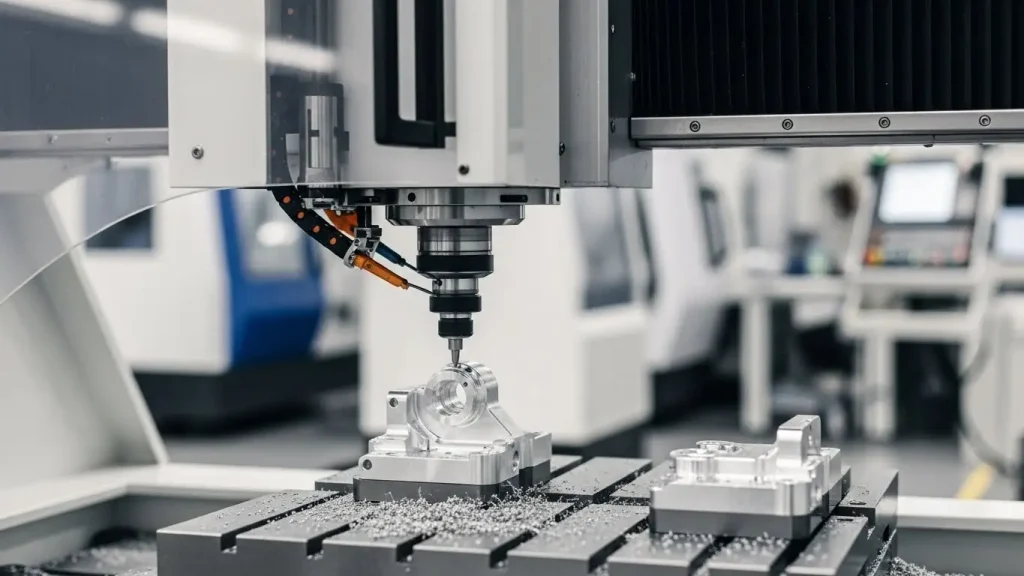
Low-volume CNC parts machining produces accurate components in quantities that sit between prototyping and full production. You use this method when you need more than a few samples but are not ready for the massive scale of factory-level manufacturing. It relies on automated machines to cut your designs from solid materials. This process provides you with professional results that match your technical drawings exactly.
You get the best of both worlds with this service. You avoid the high price of creating permanent molds, yet you still receive parts that look and act like final products. Most shops consider a run of 10 to 1,000 parts as low volume. This scale is perfect for you when you are launching a new product or building specialized tools.
The machines used in this process are versatile. They can handle many different shapes and sizes based on your CAD data. Because the setup is faster than traditional molding, your parts are ready in a shorter timeframe. You get precision and speed at a price point that makes sense for smaller projects.
Why Use Low-Volume CNC for Prototypes and Production?
Low-volume CNC is used because it offers flexibility, precision, and reasonable cost for prototypes and small production batches. You can pick from a huge list of metals and plastics to get the right strength for your application. This method allows you to verify that your parts will work before you spend money on tools. You save time by skipping the long wait for mold production.
Your project benefits from the high level of detail that CNC machines provide. You can achieve very tight fits between parts, which is a requirement for many engineering tasks. This accuracy means you can trust your prototypes to behave just like your final production units will. You do not have to worry about the flaws often found in other rapid methods.
Also, you have the freedom to change your mind. If you see a way to improve your part after the first ten units, you can update your file for the next batch. This flexibility is impossible with expensive steel molds. You keep your design cycle moving forward without being locked into a single choice too early.
How Does Low-Volume CNC Fit Into Product Development?
Low-volume CNC fits product development by letting teams quickly validate and refine designs with physical parts before committing to tooling. You use these machined parts to conduct real-world tests that prove your concept works. This stage helps you find and fix errors while they are still easy to manage. It gives you the confidence to show your work to partners or customers.
During development, you often need parts that can stand up to heat, pressure, or chemicals. Machined parts are made from the same materials you will use in final production. This means your testing data is accurate and reliable. You can put these parts into your assembly and see exactly how they interact with other components.
You also use this process to create "bridge" parts. These are units you sell or use while you wait for your high-volume factory line to be set up. This keeps your business active and allows you to start making a return on your investment sooner. You do not have to put your project on hold for months while your molds are being built.
How Fast Can Low-Volume CNC Prototypes Be Produced?
Production speed for low-volume CNC prototypes depends on part complexity, material choice, and machining strategy. You can typically expect your order to be finished in three to seven business days. If your part is simple and uses standard materials like aluminum, the turnaround is even shorter. The main factor in your timeline is how much time the machine spends cutting the material.
You can speed up your results by simplifying your design. Avoiding deep holes or very thin walls helps the machine work faster and reduces the risk of errors. If you need your parts even sooner, you can ask for an expedited service. This moves your job to the front of the queue so you can meet your tight deadlines.
The material you choose also matters for speed. Softer materials like plastics or aluminum are easier to cut than hard steels or titanium. If you are in the early stages of testing, using a faster material can help you get your results in record time. Talk to your shop about which materials are currently in stock to avoid waiting for a special order.
How Does Low-Volume CNC Compare With Die Casting?
Low-volume CNC differs from die casting primarily in tooling cost, suitable production volumes, and design flexibility. You use CNC to cut parts directly, which means you pay nothing for expensive molds or dies. Die casting requires a large investment that only makes sense if you are making thousands of units. For small batches, CNC is almost always the cheaper and faster path for you.
Design flexibility is another area where CNC wins for your small runs. If you need to change a hole size or add a slot, you just update the software. With die casting, any change requires you to modify or replace a steel tool, which costs a lot of money. This makes CNC the safer choice when your design is still evolving.
Accuracy is also higher with machining. While die casting is good for general shapes, you often have to machine the parts anyway to get a perfect fit. CNC gives you that final precision from the start. You get a better surface finish and more exact dimensions, which are vital for your high-end engineering projects.
Why Use CNC Before Investing in Production Tooling?
Using CNC before tooling helps validate part design and performance, reducing risk before larger manufacturing investments. You get a chance to hold the part and test its function without a huge financial commitment. If there is a mistake in your design, you find it now for the price of a few parts instead of the price of a mold. It protects your budget from costly rework.
This step acts as a final check for your engineering team. You can confirm that the material you chose performs as expected in your environment. You can check the weight, the balance, and the look of the part. This data is essential before you sign off on a massive production order that cannot be changed.
You also gain a set of "gold standard" parts to compare against your future mass-produced units. This helps you maintain quality control once your factory line starts running. You know exactly how the part should look and feel because you have already tested the machined version. This extra layer of security ensures your product launch goes smoothly.
What Should Readers Take Away About Low-Volume CNC Parts Machining?
Low-volume CNC machining is useful when you need high-quality, precise parts in small quantities without the high cost of molds. You should use this service for your prototypes, early-stage production, and specialized components. It offers you the fastest way to get parts made from real materials while keeping the ability to update your designs as needed.
Key takeaways for your project:
- You save money by avoiding expensive tooling costs early on.
- You get production-grade parts in days rather than weeks.
- You can test different materials and designs with very low risk.
- You have a reliable way to bridge the gap to mass manufacturing.
What Is Low-Volume CNC Machining?
You might ask what low-volume CNC machining means and why it matters for your project. It is a service that focuses on making 10 to 1,000 units with the same quality as mass production. You use it to avoid the high entry cost of factory molds while getting the strength of real metals and plastics. It is a vital tool for your product development path.
How Quickly Can CNC Prototypes Be Machined?
You may ask how fast CNC prototype speed can get your parts to your desk. Most shops finish these jobs in less than a week. Your specific timeline depends on how complex your design is and if the material is in stock. Providing clean CAD files is the best way for you to ensure your project stays on the fastest possible track.
How Do Low-Volume CNC Services Near You Support Production?
You could ask how precision CNC near you can support both prototype and low-volume production. Working with a local shop makes it easier to talk through your technical needs and fix issues fast. You spend less on shipping and wait less time for your parts to arrive. This local support helps you stay agile and keeps your development cycle moving.
How Does CNC Compare With Die Casting for Part Production?
You might ask how CNC vs die casting compares for your specific production needs. CNC is the better choice for small numbers because it has no tooling fees and allows for easy design changes. Die casting is only for when you need to make tens of thousands of parts. For most new products, CNC offers the flexibility and lower risk you need to succeed.
Why Use CNC Before Investing in Production Tooling?
You may ask why CNC before tooling is a smart move for your budget. It lets you find any design flaws before you spend thousands on a permanent mold. You can test the fit and function of your parts with real-world materials to ensure everything is perfect. This step is the best way for you to manage risk in your manufacturing process.
Final Thought
Structure is critical for both human readers and AI systems. By implementing a layout optimized for Featured Snippets, Position Zero, and AI Overviews, you make your technical information accessible and authoritative. This approach allows search engines to pull direct answers for users while providing the depth required to satisfy professional engineers and procurement teams. Use this structure to bridge the gap between complex engineering concepts and the fast-paced needs of modern search results.
