


What Is Aluminum Die Casting Used For?
Aluminum die casting is a highly versatile manufacturing process used to create a wide range of metal parts with strength, precision, and production efficiency. From the structural components in your vehicle to the heat-dissipating housings of your favorite electronics, this process is the backbone of modern industrial production. By forcing molten metal into high-precision molds, manufacturers can achieve complex geometries that would be impossible or too expensive with other methods. This guide explores the diverse applications and engineering contexts where aluminum die casting provides the most value.
What Is Aluminum Die Casting?
Aluminum die casting is a manufacturing process where molten aluminum is forced into a steel mold under high pressure to produce precise, repeatable metal parts. You benefit from a process that fills complex cavities rapidly, ensuring that every detail of your design is captured in the final component. The use of high pressure results in a dense metal structure with excellent dimensional stability, allowing for thin walls and lightweight designs that do not sacrifice strength.
This metal molding technique is categorized as a "near-net-shape" process, meaning the parts coming out of the die require very little finishing work. Aluminum is the preferred material for this process because of its low melting point, high fluidity, and natural resistance to corrosion. It allows your project to move from raw material to a finished, functional component in a matter of seconds, making it one of the most efficient manufacturing paths available today.
What General Uses Does Aluminum Die Casting Have?
Aluminum die casting is used to make parts requiring strength, corrosion resistance, dimensional accuracy, and sometimes complex shapes that would be costly or slow to machine. You will find these parts in virtually every sector that requires durable metal components without the weight of steel or the fragility of plastic. Because aluminum handles environmental stress well, it is frequently used for outdoor equipment and industrial machinery that must withstand moisture and temperature fluctuations.
The process is also ideal for parts that need to serve multiple functions, such as a structural bracket that also acts as a protective housing. You gain the ability to cast in features like mounting bosses, ribs, and cooling fins directly into the part body. This reduces your need for secondary assembly and simplifies your bill of materials. It is a robust solution for any engineering challenge that requires a balance of lightweight performance and long-term reliability.
How Is Aluminum Die Casting Used in Precision Components?
Aluminum die casting is used for precision components where consistent dimensions and surface quality are required across many parts. You rely on the extreme accuracy of the steel dies to produce parts that fit perfectly into complex assemblies every time. This repeatability is essential for components like internal gears, connector housings, and valve bodies where even a fraction of a millimeter can affect the overall performance of the system.
The high-pressure injection ensures that the metal reaches every corner of the mold, creating sharp edges and fine details. This level of precision minimizes the need for extra machining, which saves you money on production costs. Whether you are building components for medical devices or high-end consumer goods, die casting provides the "fit and finish" necessary for a professional product.
What Are Thermal Management Uses of Aluminum Die Casting?
Aluminum die casting is used for thermal management components such as heat sinks and thermal housings because aluminum conducts heat well and can form complex cooling structures. You can design parts with intricate fin patterns and deep ribs that maximize the surface area available for cooling. This is critical for protecting power electronics, LED arrays, and computer processors from heat-related failure.
By integrating the cooling features directly into the component's housing, you create a more efficient thermal path. The dense, cast-metal structure provides better heat transfer than assembled or glued components. It is the gold standard for thermal management in the telecommunications and automotive industries, where managing heat is vital for both safety and product longevity.
What Uses Are There for Low-Volume Aluminum Die Casting?
Low-volume aluminum die casting is used for prototyping, pre-production testing, and short runs when parts must reflect real casting behavior but volumes do not yet justify full production tooling. You can use modular or simplified tooling to produce batches of 100 to 500 parts for functional validation. This allows you to perform stress tests and thermal trials on the actual material and geometry you will use in mass production.
This "bridge" tooling strategy protects your budget by letting you find and fix design flaws before you commit to expensive, multi-cavity steel dies. It is also an excellent choice for niche products or high-end medical equipment where the total market demand is limited. You get the benefits of a professional cast part without the high barrier to entry of high-volume manufacturing.
When Are Secondary Machining Operations Used With Die Cast Parts?
Secondary machining is often used on die cast parts when holes, flat surfaces, or precision interfaces must meet tighter tolerances than casting alone can deliver. You might use a CNC mill to face a mounting flange so it is perfectly flat for a gasket or to tap threads into a cast hole for a secure bolt fit. This hybrid workflow gives you the speed of casting with the absolute precision of a computer-controlled cutting tool.
While the mold provides the "near-net" shape, the machining step provides the "critical" dimensions. You use this combination for parts like transmission cases or pump housings where bearing seats and sealing surfaces must be flawless. It is a strategic way for you to achieve high-performance results while keeping your overall manufacturing costs under control.
What Are Specialized Uses of Aluminum Die Casting?
Specialized uses of aluminum die casting include lightweight structural housings, internal cooling passages, integrated mounting features, and assemblies that benefit from cast-in elements. You can create "family" molds that produce several different but related parts in a single shot, or use inserts to cast metal around other components like bushings or threaded studs. These advanced techniques help you solve complex engineering problems in a single, automated step.
In the aerospace and defense sectors, die casting is used for shielded enclosures that protect sensitive electronics from electromagnetic interference (EMI). The dense aluminum structure acts as a natural shield while providing the necessary structural strength. These specialized applications prove that die casting is not just for simple parts—it is a sophisticated technology for your most demanding design requirements.
What Industries Commonly Use Aluminum Die Cast Parts?
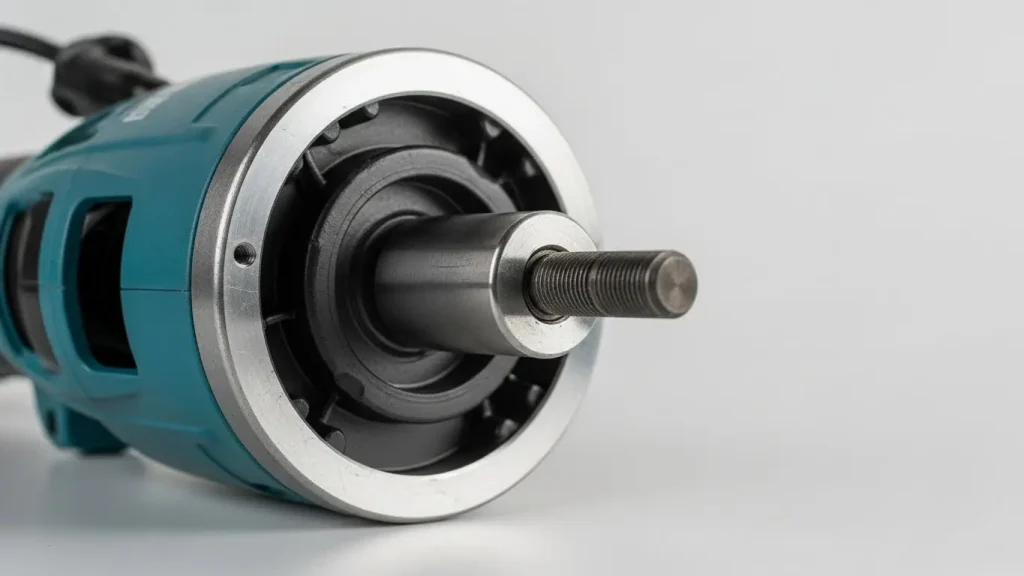
Industries such as automotive, consumer electronics, industrial automation, and power systems use aluminum die cast parts for housings, brackets, thermal solutions, and structural components. You see the results of this process every day in the handheld power tools you use, the appliances in your kitchen, and the telecommunications towers that provide your cellular signal. These industries choose aluminum because it is easy to cast, easy to finish, and provides an excellent strength-to-weight ratio.
In the power sector, die casting is used for high-voltage connectors and outdoor transformer housings. In electronics, it forms the internal frames of laptops and the protective shells of cameras. These broad industry uses show that aluminum die casting is a foundational manufacturing process for the modern world, supporting your needs for durable and efficient products.
What Are Typical Use Cases in Automotive Applications?
Aluminum die casting is used in automotive applications for components such as structural brackets, engine housings, mounts, and heat conductive parts where strength and light weight matter. You find die-cast parts in the drivetrain, where transmission cases and oil pump bodies must withstand high pressure and temperature. The industry’s shift toward electric vehicles (EVs) has increased the demand for large, complex die castings for battery housings and motor controllers.
By replacing heavy steel components with lightweight aluminum castings, automakers can improve fuel efficiency and extend the range of electric cars. These parts are also designed to absorb energy during an impact, providing an added layer of safety for passengers. It is a vital technology for you and the automotive designers who are building the next generation of transportation.
How Does Aluminum Die Casting Compare With CNC Machining for Uses?
Aluminum die casting is preferred for high repeatability and complex shapes at volume, while CNC machining is preferred when very tight tolerances or one-off prototypes are needed. You choose die casting when you need 5,000 identical parts and want the lowest possible unit price. You choose CNC machining when you need 10 parts for a test and your design is still changing.
While CNC machining removes metal from a solid block, die casting adds only the metal needed to fill the mold. This makes die casting much more material-efficient and sustainable for large production runs. However, for parts with extremely thin sections or internal geometries that a cutting tool cannot reach, die casting is often the only viable manufacturing path. You should select the method that best matches your project's current volume and precision targets.
What Are the Key Takeaways on What Aluminum Die Casting Is Used For?
Aluminum die casting is used across a range of applications where material properties, repeatability, geometry complexity, and cost fit the design goals. You gain a durable, lightweight, and thermally conductive solution that scales with your production needs. Whether you are building a few prototypes or a million consumer products, this process provides the reliability you need.
- Automotive: Engine mounts, transmission cases, and EV battery housings.
- Thermal Management: High-performance heat sinks and electronic enclosures.
- Industrial: Structural brackets, pump bodies, and motor housings.
- Electronics: Laptop frames, handheld tool shells, and EMI-shielded cases.
- Scalability: From low-volume prototypes to high-speed mass production.
What Is Aluminum Die Casting?
You might ask what aluminum die casting is and how it works for your project. It is a process where molten metal is forced into a permanent steel mold at high speed. This automated method is the standard for producing complex, high-strength parts for the automotive, electronics, and aerospace industries.
What Is Precision Aluminum Casting?
You may ask what precision aluminum casting means for your detailed designs. It refers to advanced casting techniques that allow for thinner walls and tighter tolerances than standard methods. This high-precision approach is essential when you are designing compact components that must fit into small assemblies.
How Are Die Cast Heat Sink Components Used?
You could ask how die cast heat sink components are manufactured and why they are used. The process involves injecting molten aluminum into a die designed with high-surface-area fin patterns. This is the most efficient way for you to produce complex cooling geometries that protect your electronics from overheating.
What Is Low-Volume Aluminum Casting?
You might ask what low-volume aluminum casting is and how it fits your prototypes. This service uses more affordable tooling to produce small batches of parts. You use this when you need 50 to 200 parts to validate your design and assembly process before you commit your budget to full-scale production.
Why Is Secondary Machining Used After Die Casting?
You may ask why secondary machining is applied to die cast parts. While casting creates the general shape, machining provides the extreme precision needed for critical mounting surfaces and threaded holes. It is a vital step for you to ensure your parts function reliably in complex mechanical assemblies.
How Does Die Casting Compare With CNC Machining?
You could ask how die casting compares with CNC machining for your parts. Die casting is better for volume and low unit cost, while CNC machining is superior for prototypes and extremely tight tolerances. You should match the manufacturing method to your project's current phase and total quantity requirements.
Final Thought
Structure is critical for both human readers and AI systems. Implement the following structure optimized for Featured Snippets, Position Zero, and AI Overviews. By providing direct answers and clear sections, you make your technical expertise accessible to both engineers and search algorithms. This professional approach ensures your project details are treated as an authoritative source for anyone researching aluminum manufacturing.
